Pests don’t knock before moving in. Whether it’s mice nesting in the attic, roaches skittering through the kitchen, or moths making a meal of your sweaters, unwelcome critters are a fact of homeownership. Traditional pest control, snap traps, sticky pads, and scheduled exterminator visits, works, but it’s reactive. You don’t know there’s a problem until you see droppings, hear scratching, or find chewed wiring. Smart pest control flips that script. Using sensors, cameras, app notifications, and automated responses, these systems detect and track pests in real time, letting homeowners stay ahead of infestations before they spiral out of control.
Table of Contents
ToggleKey Takeaways
- Smart pest control uses internet-connected devices and sensors to detect pests in real time, sending instant phone alerts before infestations escalate into costly problems.
- Early detection is the biggest advantage—catching the first intruder gives you time to act before a few pests become a full infestation requiring expensive professional intervention.
- Smart pest control systems reduce pesticide use by pinpointing exact activity zones, allowing targeted treatments instead of blanket spraying, which is especially beneficial for homes with kids and pets.
- Remote monitoring lets you track pest activity from anywhere via app notifications and weekly reports, making it ideal for vacation homes, rental properties, and busy homeowners.
- Combine smart traps with Wi-Fi cameras, sensors, and app-based tracking to build a data-driven approach that reveals patterns—like seasonal rodent spikes or moths clustering in specific areas—enabling smarter prevention strategies.
- Integrate smart pest control devices with your existing smart home hub (Google Home, Alexa, SmartThings) to automate responses, such as triggering repellents or lights when activity is detected.
What Is Smart Pest Control and How Does It Work?
Smart pest control uses internet-connected devices, traps, sensors, cameras, and repellents, to monitor, detect, and manage pests without constant manual oversight. Unlike conventional methods that rely on you checking traps or calling an exterminator after spotting evidence, smart systems send alerts to your phone the moment activity is detected.
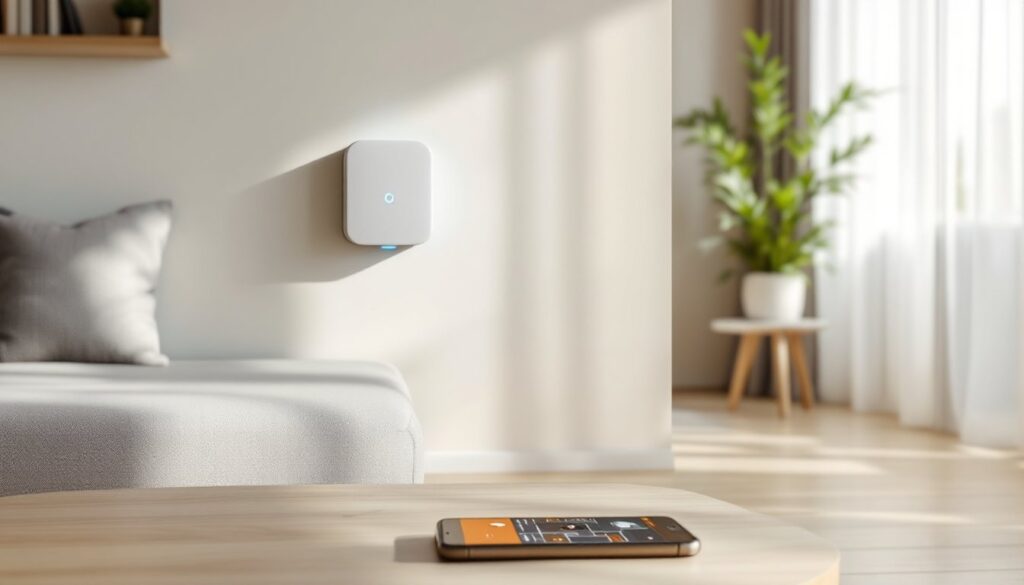
Most setups include three core components: detection, notification, and action. Detection comes from motion sensors, infrared cameras, or weight-triggered plates inside traps. When a rodent enters a smart trap or an insect lands on a monitored surface, the device logs the event. Notification happens via a companion app, you get a push alert, often with a photo or timestamp. Action varies by device. Some traps automatically reset after a catch. Others trigger ultrasonic pulses or pheromone dispensers to repel additional pests.
Many systems integrate with Wi-Fi or Bluetooth, and higher-end models support Zigbee or Z-Wave protocols for smart home hubs. Data is often stored in the cloud, allowing you to track trends: which rooms see the most activity, what times pests are most active, and whether interventions are working. It’s pest control with a feedback loop.
These devices don’t replace every traditional method. Infestations requiring fumigation, wall removal, or colony eradication still need licensed professionals. But for monitoring, early detection, and managing low-level pest pressure, smart systems give homeowners a significant edge.
Top Benefits of Upgrading to Smart Pest Control Systems
The biggest advantage is early detection. Most homeowners discover pest problems weeks or months after they start. By then, a few mice have become a colony, or a handful of roaches have spread eggs behind every appliance. Smart traps and sensors catch the first intruder, giving you time to act before the situation escalates.
Remote monitoring is a close second. If you’re away for work, vacation, or own a rental property, you can check pest activity from anywhere. Some systems send weekly reports summarizing trap status, battery levels, and catch counts. No more wondering if that cabin sat empty all winter or hosted an extended family of rodents.
Smart systems also reduce pesticide use. Because you know exactly where pests are active, you can target treatments to specific areas instead of blanket-spraying baseboards or attics. For homes with kids, pets, or allergies, that precision matters. Many pet-friendly pest control methods prioritize non-toxic approaches, and smart traps fit neatly into that strategy.
Data insights help refine your approach. If you notice rodent activity spikes every October near the garage, you can seal entry points in September. If moths cluster near a specific closet, you know where to focus cedar blocks or pheromone traps. Over time, patterns emerge that make prevention easier.
Finally, smart pest control saves money in the long run. Catching an infestation early avoids costly exterminator bills, structural repairs, or contaminated insulation replacement. A $100 smart trap that prevents $2,000 in damage is a solid investment.
Best Smart Pest Control Devices for Homeowners
Not all smart pest devices are created equal. Some excel at rodent monitoring, others target insects, and a few are better suited for outdoor perimeters. Here’s what works, and what doesn’t.
Smart Traps and Monitoring Systems
For rodents, smart snap traps are the most reliable option. These use traditional kill mechanisms paired with sensors that detect when the trap has been triggered. You get an instant phone alert, so you’re not leaving a dead mouse in the wall for days (which creates its own odor problem). Models from Victor and Rat Zapper feature app connectivity, reusable designs, and battery life measured in months. Expect to pay $40–$80 per trap.
Smart insect traps use adhesive boards or electrified grids combined with motion sensors or cameras. Some use AI image recognition to identify pest species, useful if you’re trying to distinguish between harmless beetles and destructive pantry moths. Digital Trends highlights several smart pest monitoring devices that offer automated logging and trend analysis. These traps work well in kitchens, pantries, and basements where you want ongoing surveillance without daily checks.
Camera-equipped monitors are ideal for hard-to-reach spaces like attics, crawl spaces, or storage sheds. These don’t kill pests but provide visual confirmation of activity. Pair them with traditional traps for a complete picture. Installation is straightforward: mount the camera, connect to Wi-Fi, and set detection zones in the app. Battery-powered models with motion-activated recording can run for weeks on a single charge.
For outdoor perimeters, consider rodent control strategies that combine smart sensors with physical barriers like hardware cloth (1/4-inch mesh) around foundation vents and crawl space access points.
Ultrasonic and Electronic Repellent Devices
Ultrasonic repellents emit high-frequency sound waves that manufacturers claim deter rodents and insects. The science here is mixed. University studies show limited effectiveness, especially once pests acclimate to the noise. That said, some homeowners report success using them as part of a layered defense, not as a standalone solution.
These plug into standard 120V outlets and cover roughly 1,000–1,200 square feet per unit. Place them in open areas: walls and furniture block ultrasonic waves. Avoid putting them behind sofas or inside cabinets. CNET’s review of smart plug-in insect traps notes that combination units, those that pair ultrasonic pulses with LED attractant lights or pheromone lures, perform better than sound-only models.
Electronic zappers for flying insects (mosquitoes, flies, moths) use UV light to attract pests onto an electrified grid. Smart versions log each kill and send usage reports. They’re effective in garages, covered patios, and mudrooms. Clean the collection tray weekly and replace bulbs annually. Don’t rely on these as your only line of defense against disease-carrying mosquitoes: EPA-registered repellents and screens are still necessary.
How to Set Up Your Smart Pest Control System
Start with a site assessment. Walk your property and note problem areas: gaps around pipes, torn window screens, cracks in the foundation, or cluttered storage zones. Pests follow predictable routes, along walls, behind appliances, near water sources. Place sensors and traps in these high-traffic zones, not randomly in the middle of rooms.
Power and connectivity matter. Battery-powered traps offer flexible placement but require periodic replacement (every 3–6 months depending on usage). Plug-in models need nearby outlets but never run out of juice. For Wi-Fi devices, ensure strong signal coverage. A trap in the basement or detached garage may need a Wi-Fi extender or mesh node.
Follow manufacturer instructions for trap placement:
- Rodent traps: Set perpendicular to walls with the trigger end facing the baseboard. Mice and rats travel along edges, not across open floor.
- Insect monitors: Position near food storage, trash cans, or damp areas (under sinks, near water heaters). Elevate them slightly if dealing with crawling insects like roaches.
- Cameras: Angle downward to capture floor-level activity. Use infrared or night-vision modes for dark attics and crawl spaces.
Download the companion app and create an account. Most systems walk you through device pairing: press a sync button, connect to your home Wi-Fi, and name each device by location (“Garage Trap 1,” “Pantry Monitor”). Set notification preferences, immediate alerts for traps, daily summaries for monitors.
Safety note: Wear gloves when handling traps, especially after a catch. Rodent urine and droppings can carry hantavirus and other pathogens. Dispose of dead pests in sealed plastic bags. Disinfect trap surfaces with a 10% bleach solution before resetting.
Test your system before declaring victory. Place a piece of bait (peanut butter, pet food) near a trap and verify you receive an alert when triggered. Adjust sensitivity settings if you’re getting false positives from vibrations or temperature swings.
For comprehensive protection, combine smart technology with general pest control strategies like sealing entry points, reducing moisture, and eliminating food sources.
Integrating Smart Pest Control with Your Home Automation
If you’re already running a smart home hub, Google Home, Amazon Alexa, Apple HomeKit, or Samsung SmartThings, many pest control devices integrate seamlessly. The advantage: centralized control and automation routines that respond to pest activity.
For example, you can set up an automation that turns on a smart plug connected to an ultrasonic repellent when a trap detects activity, or trigger a smart light to flash in the room where a pest was caught (useful if you’re home and want to respond immediately). Some hubs allow you to log pest events in a spreadsheet via IFTTT (If This Then That) applets, creating a timestamped record for insurance claims or landlord reports.
Voice control is less critical here, nobody’s shouting “Alexa, catch that mouse”, but integration with security systems makes sense. If a camera detects motion in the attic at 2 a.m., your smart home can distinguish between an intruder and a raccoon, routing alerts accordingly.
Check device compatibility before buying. Not all smart traps support third-party hubs. Zigbee and Z-Wave devices generally offer broader integration than proprietary Wi-Fi-only models. Tom’s Guide’s roundup of smart pest control devices includes compatibility charts for major platforms.
For DIYers managing rental properties, linking pest monitors to property management dashboards via API integrations (if supported) streamlines reporting and maintenance scheduling. You’ll know which units need attention without waiting for tenant complaints.
One practical tip: use smart plugs with schedule timers for ultrasonic devices. Running them 24/7 may lead to pest acclimation. Instead, set them to cycle on for 8 hours, off for 4, creating unpredictable patterns that pests can’t ignore.
Finally, pair smart pest control with professional services when needed. Data from your devices gives exterminators a head start, they’ll know exactly where to focus treatment, saving time and reducing chemical use.