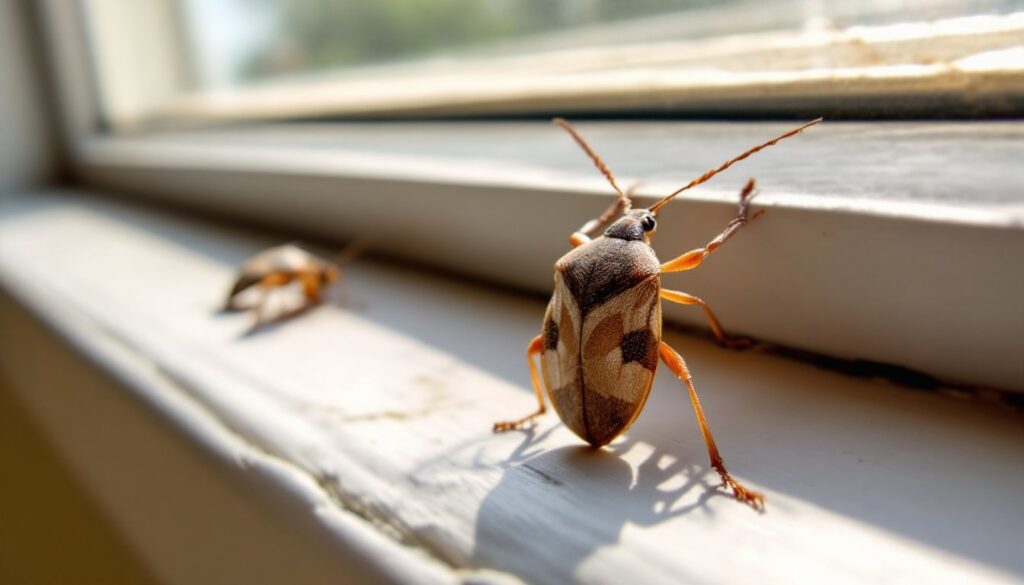
Stink bugs aren’t just annoying, they’re persistent invaders that sneak into homes every fall, releasing their signature foul odor when disturbed. These shield-shaped insects squeeze through impossibly small cracks, congregate in attics and wall voids, and can turn up anywhere from window frames to light fixtures. If you’ve spotted one, there are likely dozens more hiding nearby. Unlike termites or rodents, stink bugs don’t damage structures or spread disease, but their sheer numbers and smell make them a serious nuisance. Tackling them requires a two-pronged approach: eliminating the bugs already inside and sealing entry points before the next wave arrives.
Table of Contents
ToggleKey Takeaways
- Brown marmorated stink bugs invade homes in fall seeking warm overwintering spots, and a single gap can admit hundreds of bugs over a few weeks, making stink bug pest control a priority before late summer.
- Vacuuming with a disposable bag and using a dish soap spray (1 part soap to 10 parts water) are effective DIY removal methods, while sealing entry points with caulk and weatherstripping is the most critical prevention strategy.
- Neem oil and diatomaceous earth work as supplemental repellents and natural deterrents, but they won’t stop determined infestations and should be used alongside exclusion methods.
- Complete all exterior sealing work by late August in northern states and early September in transitional zones, focusing on south- and west-facing walls where stink bugs congregate first.
- Professional pest control is recommended when infestations exceed several dozen bugs, involve inaccessible wall voids or attic spaces, or persist despite DIY treatment efforts costing $150–$400 per treatment.
- Stink bug control requires ongoing vigilance combining removal, exclusion, and preventive measures rather than a single one-time fix to keep these odorous invaders out year-round.
Why Stink Bugs Invade Your Home
Stink bugs, specifically the brown marmorated stink bug (BMSV), the most common invasive species in North America, seek shelter indoors as temperatures drop in late summer and early fall. They’re not looking for food or nesting sites: they’re searching for overwintering spots to survive until spring.
Your home offers everything they need: warmth, protection from predators, and dark, undisturbed spaces. Attics, crawl spaces, wall cavities, and spaces behind baseboards are ideal. South- and west-facing exterior walls absorb more sunlight, attracting stink bugs to those surfaces first. They follow the heat gradient through siding seams, foundation cracks, window gaps, and utility penetrations.
Once inside, they emit aggregation pheromones, chemical signals that attract more stink bugs to the same location. This is why a few bugs quickly become dozens. They remain dormant through winter, then become active again in spring when interior temperatures rise. That’s when homeowners find them crawling on walls, ceilings, and windowsills, desperately trying to escape outdoors.
Stink bugs don’t breed indoors or cause structural damage, but their numbers can overwhelm a home. A single gap around a window frame can admit hundreds of bugs over a few weeks. Understanding their behavior is the first step in effective general pest management strategies that target entry points and lifecycle timing.
Identifying Stink Bugs in Your Home
Positive identification matters because stink bugs are often confused with beneficial insects or less-invasive species. The brown marmorated stink bug measures about 5/8 inch long with a distinctive shield-shaped body. Adults are mottled brown-gray with alternating light and dark bands on the antennae and along the outer edge of the abdomen.
Key identification features:
- Shield shape: Wider at the shoulders, tapering toward the rear
- Antennae bands: Five segments with alternating light and dark coloring
- Smooth edges: Unlike some native stink bugs, BMSV lacks prominent spines on the shoulders
- White underside markings: Fine banding on the abdomen’s ventral surface
Stink bugs don’t move quickly. They’re clumsy fliers and often buzz loudly when airborne. When threatened, they release a pungent odor from glands on the thorax, a defense mechanism that gives them their name. The smell resembles cilantro mixed with burnt rubber: it’s persistent and can linger on hands, fabrics, and vacuum bags.
You’ll typically find them clustered near windows, light fixtures, and along ceiling-wall junctions during spring. In fall, check exterior walls on sunny afternoons, they’ll mass on siding, shutters, and door frames before finding entry points. Native stink bugs exist too, but the brown marmorated species causes the most indoor problems due to its preference for structures and sheer population density.
DIY Stink Bug Removal Methods That Actually Work
Natural Remedies and Repellents
Vacuuming is the fastest removal method for live stink bugs, but there’s a catch. Use a shop vacuum with a disposable bag, not your household vacuum. The odor they release when agitated will permeate the vacuum and any reusable canister or filter. Once you’ve collected them, seal the bag in plastic and dispose of it immediately in an outdoor trash bin.
For spot removal, a spray bottle filled with 1 part dish soap to 10 parts water kills stink bugs on contact. The soap breaks down their protective exoskeleton coating, causing dehydration. Spray directly onto the bug, wait 30 seconds, then wipe up with paper towels. This works well for individual bugs on walls or windowsills but isn’t practical for large infestations.
Neem oil acts as a repellent when mixed at 2 tablespoons per quart of water with a few drops of dish soap as an emulsifier. Spray around window frames, door thresholds, and known entry points. Reapply every 7-10 days, especially after rain. The scent disrupts stink bugs’ chemical communication and discourages them from settling.
Garlic spray, made by steeping crushed garlic cloves in water overnight, has anecdotal support but limited proven effectiveness. Some home improvement enthusiasts report success spraying it on exterior siding in early fall, but results vary.
Essential oils like peppermint, eucalyptus, and lavender are often recommended as repellents. Mix 10-15 drops per cup of water with a splash of rubbing alcohol and spray around access points. They may deter occasional bugs but won’t stop a determined infestation. Treat them as supplemental, not primary, defense.
Diatomaceous earth (DE) can be dusted in attics, crawl spaces, and wall voids where stink bugs overwinter. Use food-grade DE and wear a dust mask, it’s non-toxic but irritates lungs. The powder’s microscopic edges damage insect exoskeletons, causing dehydration over several days. Apply a light, even coating: thick clumps are less effective.
Insecticidal soap or pyrethrin-based sprays labeled for stink bugs work for active infestations. Follow label instructions precisely. Apply to bugs directly and to surfaces where they congregate. Wear gloves and safety goggles, and ventilate the area. Pyrethrins break down quickly in sunlight, so they’re better suited for indoor or shaded applications.
Avoid crushing stink bugs. The odor attracts more bugs and stains fabrics and drywall. If you must handle one, use a tissue or paper towel and flush it immediately, or drop it into soapy water.
Sealing Entry Points and Prevention Strategies
The most effective stink bug control is exclusion, physically blocking their access before they get inside. Start your inspection in late summer, before peak migration in September and October.
Exterior sealing checklist:
- Windows and doors: Apply weatherstripping to all moving components. Replace worn door sweeps with models that have a 1/4-inch or smaller gap at the threshold. Use silicone or acrylic latex caulk to seal gaps between window frames and siding.
- Utility penetrations: Seal around pipes, electrical conduits, dryer vents, and cable entry points with expanding foam or caulk. Stink bugs can fit through openings as small as 1/8 inch.
- Siding and trim: Inspect J-channels, corner posts, and horizontal seams. Fill gaps with caulk or foam backer rod, depending on width. Pay extra attention to south- and west-facing walls.
- Soffits and fascia: Check for gaps where soffits meet the roofline. Screened soffit vents should have mesh no larger than 1/8 inch. Replace damaged or missing screens.
- Foundation cracks: Fill cracks wider than 1/8 inch with hydraulic cement or polyurethane crack filler. Small foundation gaps are prime entry routes during fall.
- Chimneys and vents: Install 1/4-inch mesh chimney caps and screen all attic and crawl space vents. Ensure dampers on fireplace flues close tightly.
Interior prevention:
- Caulk baseboards, crown molding joints, and gaps around recessed lighting. Stink bugs hiding in wall voids will exploit these openings to enter living spaces.
- Weatherstrip attic access hatches and install door sweeps on attic entry doors.
- Repair torn window screens immediately. Use 18×14 mesh or finer fiberglass screening for best results.
Timing matters. Complete sealing work by late August in northern states, early September in transitional zones. Once stink bugs are already inside walls, sealing traps them in, and they’ll eventually die and attract carpet beetles and other scavengers.
Consider installing UV-resistant exterior caulk: it lasts longer on sun-exposed surfaces. For large projects involving multiple stories or extensive siding removal, hiring a handyman or contractor may be worth the cost. Proper sealing also improves energy efficiency, reducing heating and cooling costs year-round.
When to Call a Professional Exterminator
DIY methods work for mild to moderate infestations, say, a few dozen bugs over the course of a season. But when stink bugs number in the hundreds or reappear even though your best efforts, it’s time to bring in a pro.
Signs you need professional help:
- Recurring infestations: You’ve sealed and treated, but stink bugs keep appearing in large numbers each fall or spring.
- Inaccessible infestations: Bugs are emerging from wall voids, attic spaces, or crawl areas you can’t safely access or treat.
- Structural unknowns: You’re unsure where they’re entering, and a thorough inspection requires roof access, thermal imaging, or specialized tools.
- Multi-unit buildings: Apartments, condos, or townhomes where bugs migrate between units need coordinated, building-wide treatment.
Professional exterminators use residual insecticides applied to exterior walls, soffits, and entry points in late summer. These products, often pyrethroids like bifenthrin or deltamethrin, create a barrier that kills bugs on contact and persists for weeks. They’re more potent than consumer-grade sprays and require proper licensing and application technique.
Some pest control companies offer preventive treatment plans timed to stink bug migration patterns. Expect $150-$400 for a one-time exterior treatment on an average single-family home, depending on property size and region. Seasonal contracts with multiple visits cost more but provide year-round peace of mind.
Professionals also conduct detailed inspections using thermal cameras and moisture meters to identify hidden entry points that homeowners miss. They can treat wall voids with dust insecticides and recommend structural repairs that DIYers might overlook.
If you’re weighing costs, compare DIY material expenses and your time investment against professional pricing. For a serious infestation, the cost of professional services often pays off in faster resolution and long-term prevention. Ask about guarantees, many companies offer free follow-up treatments if bugs return within a specified period.
Conclusion
Stink bug control isn’t a one-time fix, it’s an ongoing process of exclusion, removal, and vigilance. Seal entry points before fall migration, use targeted removal methods for bugs that make it inside, and don’t hesitate to call in professional help when DIY efforts fall short. With persistence and the right approach, you can reclaim your home from these odorous invaders.