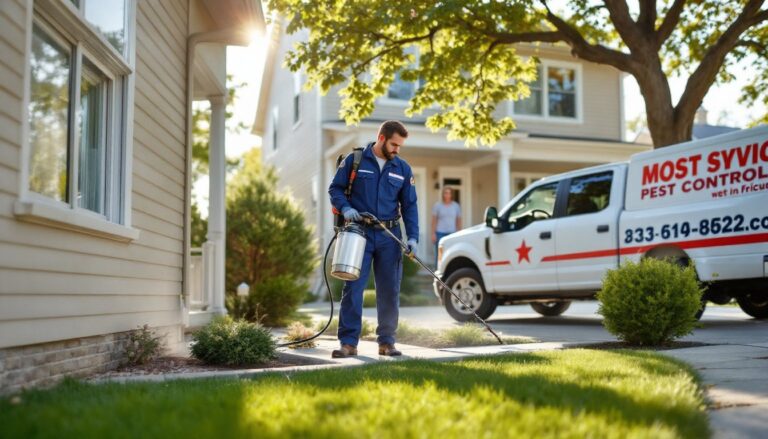
Michigan’s climate, with freezing winters, humid summers, and seasonal swings, creates ideal conditions for pests looking to invade commercial properties. A single rodent sighting or bedbug complaint can shut down operations, damage your reputation, and cost thousands in remediation. Unlike residential pest control, commercial settings require tailored solutions that address health codes, customer expectations, and the unique vulnerabilities of warehouses, restaurants, offices, and retail spaces. This guide walks business owners and facility managers through what they need to know about commercial pest control in Michigan, from identifying common threats to selecting the right service provider.
Table of Contents
ToggleKey Takeaways
- Commercial pest control in Michigan is essential for regulatory compliance and reputation protection, as a single pest incident can lead to failed health inspections, fines, or customer loss in competitive markets like Detroit and Grand Rapids.
- Michigan’s seasonal climate and year-round heated buildings require ongoing Integrated Pest Management (IPM) strategies—not one-time treatments—combining inspections, exclusion work, sanitation guidance, and targeted applications to prevent pest infestations.
- When selecting a commercial pest control provider, verify their MDARD Commercial Pesticide Applicator License, insurance coverage, industry-specific experience, and commitment to IPM approaches rather than ‘spray and pray’ methods.
- Typical commercial pest control costs in Michigan range from $75–$150 per visit for small offices (quarterly) to $200–$400 monthly for restaurants, with warehouses often exceeding $1,200 monthly, depending on property size and pest pressure.
- Rodents and cockroaches are Michigan’s most common commercial threats—mice can reproduce 50+ times yearly and fit through 1/4-inch openings, while German cockroaches carry pathogens and require gel baits plus diligent sanitation in kitchens and food facilities.
- Choose service plans based on risk level: monthly plans for high-risk food service and healthcare facilities, quarterly for offices and retail, and seasonal plans for region-specific threats like mosquito control and fall stink bug exclusion.
Why Michigan Businesses Need Specialized Pest Control Services
Commercial properties face pest pressures that residential homes don’t. High foot traffic, food storage, HVAC systems, loading docks, and 24/7 operations create entry points and habitats that pests exploit year-round.
Regulatory compliance is a primary driver. Restaurants, food processors, healthcare facilities, and hospitality businesses must meet state and local health codes. The Michigan Department of Agriculture and Rural Development (MDARD) enforces strict standards for food establishments, and a failed inspection due to pest activity can result in fines, closures, or license suspension.
Reputation risk is equally critical. One online review mentioning mice or roaches can deter customers for months. Businesses in competitive markets, especially those in Detroit, Grand Rapids, and Ann Arbor, can’t afford that kind of damage.
Commercial pest control isn’t a one-time fix. It’s an ongoing partnership involving Integrated Pest Management (IPM) strategies: routine inspections, exclusion work (sealing cracks, installing door sweeps), sanitation guidance, and targeted treatments. Providers use commercial-grade products and application methods that differ from residential services, often scheduling visits during off-hours to avoid disrupting operations.
Michigan’s seasonal extremes also demand year-round vigilance. Pests don’t hibernate in heated buildings, they just move indoors when temperatures drop.
Common Pests Threatening Michigan Commercial Properties
Rodents and Wildlife
Mice and rats are the most common commercial invaders in Michigan. House mice can squeeze through openings as small as 1/4 inch, making warehouses, grocery stores, and offices with aging infrastructure especially vulnerable. Norway rats favor ground-level entry points, loading docks, cracked foundations, and poorly sealed utility penetrations.
Rodents contaminate inventory, chew through wiring (a fire hazard), and reproduce rapidly. A single pair of mice can produce 50+ offspring in a year under ideal conditions. Signs include droppings (dark, rice-sized pellets), gnaw marks on cardboard or wood, and greasy rub marks along baseboards.
Raccoons, squirrels, and bats target attics, rooftops, and exterior vents, particularly in suburban commercial parks. Bats are protected under Michigan law, so removal requires licensed wildlife professionals. If you’re weighing the cost of exclusion work versus ongoing damage, platforms like HomeAdvisor offer cost estimators for wildlife-proofing projects.
Insects and Seasonal Invaders
German cockroaches thrive in commercial kitchens, break rooms, and food processing facilities. They carry pathogens, trigger asthma, and multiply quickly, one egg case holds 30-40 nymphs. Effective control requires gel baits, insect growth regulators (IGRs), and diligent sanitation.
Ants are a year-round nuisance. Carpenter ants nest in damp wood (common in Michigan’s humid summers), while odorous house ants invade break rooms and vending areas. Pavement ants infiltrate through foundation cracks, especially in spring.
Flies, fruit flies, drain flies, and house flies, are red flags during health inspections. Fruit flies breed in drains and organic residue: drain flies signal plumbing issues. UV light traps and sanitation are key.
Bed bugs affect hotels, dormitories, healthcare facilities, and even office furniture. Heat treatments or targeted insecticides are necessary: over-the-counter products rarely work.
Stink bugs and boxelder bugs swarm commercial buildings in fall, seeking warmth. They don’t cause structural damage but their sheer numbers, and odor, create PR problems. Exclusion (caulking, weatherstripping) is the best defense.
Michigan’s mosquito and tick populations peak May through September, impacting outdoor dining spaces, parks, and event venues. Commercial-grade perimeter treatments reduce populations but require reapplication every 3-4 weeks.
What to Look for When Choosing a Commercial Pest Control Provider
Not all pest control companies handle commercial accounts, and not all commercial providers are equally equipped. Here’s what separates the professionals from the pretenders.
Licensing and Insurance: Michigan requires pest control operators to hold a Commercial Pesticide Applicator License issued by MDARD. Verify the company’s credentials and ensure they carry general liability and workers’ compensation insurance. If a technician is injured on your property or causes damage, you want that coverage in place.
Experience with Your Industry: A warehouse has different pest pressures than a medical clinic. Ask if the provider has experience in your sector and request references from similar businesses. Some companies specialize in food service, others in healthcare or multi-family housing.
IPM Approach: Avoid companies that only offer “spray and pray” treatments. Reputable providers use Integrated Pest Management, which combines inspection, exclusion, sanitation recommendations, monitoring (sticky traps, pheromone traps), and targeted chemical applications as a last resort. This reduces pesticide use, minimizes disruption, and delivers long-term results.
Documentation and Reporting: Commercial clients need records for audits and inspections. Providers should supply service reports, Material Safety Data Sheets (MSDS) for products used, and treatment logs. Many use digital platforms where you can access reports and photos in real time.
Response Time: Emergencies happen, rodent sightings before a health inspection, wasp nests near a customer entrance. Ask about their response time for urgent requests. Companies serving commercial clients in Michigan often guarantee same-day or next-day service.
Contract Flexibility: Some providers lock you into annual contracts with steep cancellation fees. Others offer month-to-month agreements or seasonal plans. Read the fine print and ensure service frequency matches your needs, monthly for high-risk environments, quarterly for low-risk offices.
Industry-Specific Pest Control Solutions in Michigan
Food Service and Processing: Restaurants, bakeries, breweries, and food processors face the highest scrutiny. Providers should conduct detailed inspections of kitchens, storage areas, and waste handling zones. Expect monthly or bi-weekly visits, pheromone traps for stored product pests (Indian meal moths, grain beetles), and strict adherence to third-party audits (AIB, SQF).
Healthcare Facilities: Hospitals, nursing homes, and clinics require pest control that doesn’t compromise patient health. Low-odor, low-toxicity products are standard. Bed bug protocols, rodent exclusion in food service areas, and fly control near waste handling are common focus areas.
Hospitality: Hotels and motels need discreet, proactive bed bug management. Many providers offer K9 detection teams, heat treatments, and preventive monitoring. Outdoor dining areas require mosquito and fly control, especially in lakeside or riverfront locations.
Warehouses and Manufacturing: Large square footage, dock doors, and palletized inventory create rodent highways. Providers use bait stations along perimeters, glue boards near entry points, and exclusion work on docks and overhead doors. Bird control (netting, spikes) is often necessary in high-ceiling facilities.
Retail and Offices: Lower-risk environments still need routine monitoring for ants, spiders, and occasional rodents. Quarterly service is typical, with emphasis on perimeter treatments and sanitation coaching.
Multi-Tenant Buildings: Property managers need providers who can coordinate with multiple tenants, address common-area pest issues, and document compliance for all units. Roaches and rodents in one suite can quickly spread.
Cost Considerations and Service Plans for Michigan Businesses
Commercial pest control pricing isn’t one-size-fits-all. Costs depend on property size, pest pressure, industry, and service frequency. Here’s what to expect as of 2026 in Michigan.
Typical Price Ranges:
- Small office or retail space (under 3,000 sq ft): $75–$150 per visit (quarterly service)
- Restaurant or food service (3,000–6,000 sq ft): $200–$400 per month (includes monthly visits, monitoring, and documentation)
- Warehouse or manufacturing (10,000+ sq ft): $400–$1,200+ per month, depending on complexity
- One-time treatments (bed bugs, heavy rodent infestations): $500–$3,000+, often requiring multiple visits
Service Plan Options:
- Monthly plans suit high-risk businesses (food service, healthcare). They include routine inspections, treatments, and emergency response.
- Quarterly plans work for offices, retail, and low-risk environments. Cost-effective but may not catch problems early.
- Seasonal plans address specific threats, mosquito control for outdoor venues, fall exclusion for stink bugs.
Add-On Services: Exclusion work (sealing entry points, installing door sweeps) often costs extra, $200–$1,500 depending on scope. Wildlife removal, bird control, and specialty treatments (heat for bed bugs) also incur additional fees.
Regional Variations: Metro Detroit and Grand Rapids tend to run 10-20% higher than rural areas due to demand and overhead. Coastal and lakeside businesses may pay more for mosquito and fly control.
Cost-Saving Tips:
- Address sanitation and exclusion on your end. The cleaner and more sealed your facility, the fewer treatments you’ll need.
- Bundle services if you manage multiple locations. Providers often discount multi-site contracts.
- Compare quotes, but don’t choose solely on price. A cheap provider who misses problems will cost more in the long run.
For design inspiration on creating pest-resistant commercial spaces, like sealed storage areas or easy-to-clean finishes, sites like Houzz showcase commercial and industrial design solutions.
Most providers offer free initial inspections. Use that opportunity to assess their professionalism, ask questions, and review their proposed plan before committing.