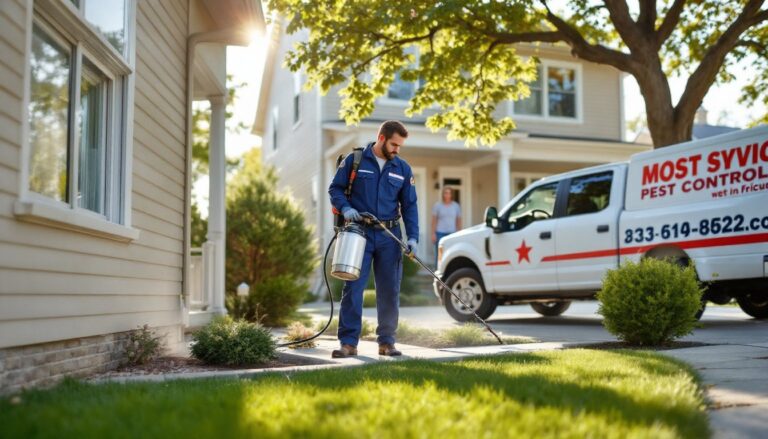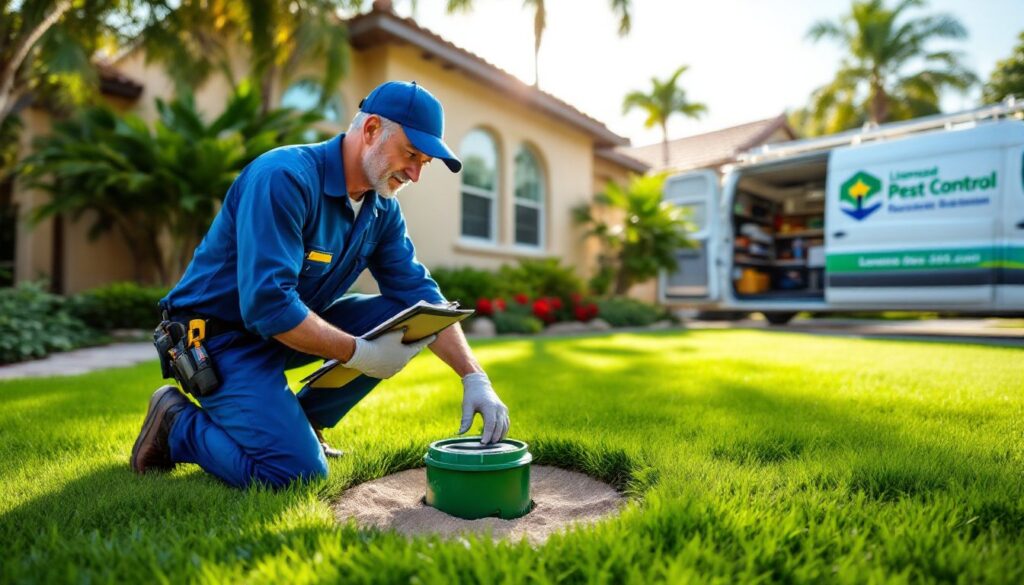
Living in Naples means enjoying year-round sunshine, stunning Gulf beaches, and outdoor living, it also means dealing with pests that thrive in Florida’s humid, subtropical climate. From termites munching through framing lumber to fire ants colonizing lawns, Southwest Florida homeowners face a unique lineup of invaders that can damage structures, contaminate food, and pose health risks. This guide walks through which pests to watch for, when to tackle the problem yourself versus calling in a licensed pro, and how to keep critters out for good.
Table of Contents
ToggleKey Takeaways
- Naples pest control requires professional intervention for termites, bed bugs, large rodent infestations, and stinging insects, while DIY methods work for occasional ants, spiders, mosquitoes, and pantry moths.
- Common Naples pests like subterranean termites, fire ants, German cockroaches, and mosquitoes thrive year-round due to Southwest Florida’s warm climate, high humidity, and lush landscaping.
- Choose a licensed Naples pest control service that practices integrated pest management (IPM), offers itemized estimates, has strong reviews, and carries current state licensing and insurance.
- Preventative measures including sealing the building envelope, managing moisture, trimming vegetation, and eliminating food sources can reduce pest pressure by up to 80% and minimize the need for chemical treatments.
- Professional pest control costs range from $150–$300 for initial service to $1,200–$3,000+ for termite treatments, with quarterly maintenance plans typically costing $300–$500 annually for local homeowners.
- Pet-safe alternatives like diatomaceous earth, botanical insecticides, and boric acid baits provide effective options for families with children or pets concerned about chemical exposure.
Common Pests in Naples and Why They Love Florida’s Gulf Coast
Naples sits in a pest paradise: warm winters, high humidity, and lush landscaping create ideal conditions for bugs, rodents, and reptiles year-round.
Subterranean termites top the list. They tunnel through sandy soil to reach wood framing, floor joists, and sheathing, causing thousands in structural damage before most homeowners notice. Formosan termites, a more aggressive species, build massive colonies and can consume 13 pounds of wood per day per colony.
Fire ants thrive in disturbed soil, building mounds in lawns, flowerbeds, and along driveways. Their stings inject venom that causes painful welts and, in sensitive individuals, allergic reactions.
German cockroaches infiltrate kitchens and bathrooms, breeding rapidly in wall voids and under appliances. They carry bacteria that contaminate food prep surfaces and trigger asthma in children.
Mosquitoes breed in standing water, anything from clogged gutters to saucers under potted plants. Southwest Florida’s wet season (June through September) turns backyards into breeding grounds for species that carry West Nile virus and Zika.
Rats and mice nest in attics, chewing through electrical wiring (a fire hazard) and contaminating insulation with droppings. They exploit gaps as small as ¼ inch around roof vents, plumbing penetrations, and soffit joints.
Love bugs, palmetto bugs (large American cockroaches), and no-see-ums (biting midges) round out the nuisance list. The Gulf Coast’s mild winters mean most species remain active all year, unlike northern climates where cold kills off populations seasonally.
When to Call a Professional vs. DIY Pest Control in Naples
Some pest problems respond to hardware-store sprays and traps: others require licensed technicians with specialized equipment and training.
Call a professional immediately for:
• Termites. DIY treatments don’t reach colonies or provide the barrier protection required by most lenders and home warranties. Licensed operators use liquid termiticides, baiting systems, and thermal imaging to map infestations.
• Bed bugs. Over-the-counter foggers push them deeper into baseboards and outlets. Pros use heat treatment (raising room temps to 120-140°F for several hours) or targeted insecticides applied to cracks, seams, and mattress piping.
• Large rodent infestations. If you’re hearing activity nightly or finding droppings in multiple rooms, the colony is established. Professionals seal entry points, set commercial-grade traps, and remove contaminated insulation if necessary.
• Stinging insects in walls or eaves. Yellow jackets, wasps, and hornets defend nests aggressively. Techs have protective gear and treatments that eliminate the nest without sending swarms into living spaces.
DIY works for:
• Occasional ants. Bait stations (like those with borax or fipronil) kill workers and queens over 1-2 weeks. Keep counters clean and seal cracks around windows.
• Spiders. Knock down webs with a broom, vacuum egg sacs, and apply perimeter spray (permethrin-based) around door thresholds and garage entries.
• Mosquitoes. Dump standing water weekly, install ½-inch mesh screens on rain barrels, and use pyrethrin-based yard foggers before outdoor events.
• Pantry moths. Toss infested flour/cereal, vacuum shelves thoroughly, and use pheromone traps to catch adults.
If you’ve tried DIY methods for two weeks without progress, or if pests reappear within days of treatment, it’s time to bring in <a href="https://sculptureforchange.com/expert-pest-services/”>expert pest services that can identify harborage areas and apply commercial-grade materials.
Choosing the Right Pest Control Service in Naples
Naples has dozens of pest control operators. Here’s how to vet them:
Verify licensing and insurance. Florida requires pest control businesses to hold a state license through the Department of Agriculture and Consumer Services. Ask for the license number and confirm it’s current. Operators should carry general liability and workers’ comp insurance.
Ask about integrated pest management (IPM). Companies that rely solely on chemical sprays often create resistance and don’t address root causes. IPM combines monitoring, exclusion (sealing entry points), sanitation, and targeted treatments. It’s more effective long-term.
Get itemized estimates. Beware of vague “monthly service” quotes. Detailed proposals specify target pests, treatment methods (liquid barrier, granular bait, growth regulators), application intervals, and warranty terms. Many local Naples pest control companies offer free inspections and written quotes.
Check reviews and complaint history. Look beyond star ratings. Read 3-star reviews to see how the company handles problems. Verify standing with the Better Business Bureau.
Understand contract terms. Most companies offer one-time treatments or quarterly plans. Termite protection typically requires an annual contract with retreatment guarantees. Read cancellation clauses carefully, some lock you in for 12 months.
What to Expect During a Professional Pest Treatment
A thorough initial service includes:
-
Interior and exterior inspection. The tech walks the property, checking crawl spaces, attics, garages, and landscaping. They note moisture issues, structural gaps, and conducive conditions (wood-to-soil contact, mulch piled against siding).
-
Treatment application. For general pests, expect a perimeter spray (3-foot band around the foundation) using pyrethroids or non-repellent insecticides like fipronil. Interior treatment focuses on baseboards, under sinks, and appliance gaps. Granular baits go in mulch beds and along fence lines.
-
Documentation. You’ll receive a service ticket listing materials used (with EPA registration numbers), target pests, and reentry time (usually 2-4 hours for exterior treatments, immediate for interior spot treatments).
-
Follow-up schedule. Quarterly visits are standard for general pest control. Termite monitoring involves inspecting bait stations every 90 days and refilling as needed.
Before the tech arrives, clear clutter from baseboards, move appliances away from walls if possible, and ensure access to attics and crawl spaces. After treatment, avoid mopping treated baseboards for 48 hours to let residual insecticides bond to surfaces.
Preventative Measures Every Naples Homeowner Should Take
The best pest control happens before critters move in. These steps cut off food, water, and entry points.
Seal the building envelope. Walk the perimeter and caulk gaps around AC line sets, dryer vents, and hose bibs. Install door sweeps with a ¼-inch seal on garage doors and exterior doors. Replace torn window screens (use 20-mesh or finer for no-see-ums). Stuff copper mesh or steel wool in weep holes above foundation (this allows drainage while blocking rodents).
Manage moisture. Fix leaky faucets, clear AC condensate lines, and grade soil away from the foundation (6 inches of drop over 10 feet). Termites need moisture, keep mulch 6 inches away from siding, and replace wood lattice or steps showing rot.
Store firewood properly. Stack it on a rack at least 20 feet from the house and 6 inches off the ground. Firewood against the house is a termite highway.
Trim vegetation. Keep shrubs 12-18 inches from exterior walls to improve airflow and reduce harborage. Trim tree branches so they don’t touch the roof, rats and squirrels use them as bridges.
Eliminate food sources. Store pantry goods in airtight containers (glass or heavy plastic). Wipe down counters nightly, and don’t leave pet food out overnight. Take garbage to the curb in sealed bins, and rinse recyclables.
Maintain gutters. Clean them twice a year (more if you have oaks overhead). Clogged gutters hold water for mosquitoes and cause wood rot that attracts carpenter ants.
For homeowners committed to general pest control strategies, these habits reduce the need for chemical treatments and catch problems early when they’re easier (and cheaper) to fix.
Cost of Pest Control Services in Naples: What You’ll Pay
Pricing varies by treatment type, property size, and pest severity. Here’s what to budget in 2026.
Initial one-time service: $150–$300 for a standard single-family home (up to 2,500 sq ft). This includes interior and exterior treatment for general pests (ants, roaches, spiders). Larger homes or heavy infestations can push costs to $400+.
Quarterly maintenance plans: $75–$125 per visit (typically four visits per year, totaling $300–$500 annually). Many companies discount if you prepay for the year.
Termite treatments: Liquid barrier treatments range from $1,200–$2,500 depending on home perimeter and soil conditions. Baiting systems (like Sentricon or Advance) cost $1,500–$3,000 upfront, plus $300–$500/year for monitoring and bait refills. According to recent Naples-specific pricing data, termite work represents the largest single pest-related expense for local homeowners.
Rodent exclusion and removal: $300–$800 for trapping, cleanup, and sealing entry points in an average attic. Extensive damage (chewed wiring, contaminated insulation) can require $1,500–$3,000 in repairs.
Bed bug heat treatment: $1,000–$2,500 for a whole-house treatment. Chemical-only treatments run $500–$1,200 but often require multiple visits.
Prices fluctuate with fuel costs, labor availability, and chemical supply chains. Coastal properties and homes with heavy landscaping typically cost 10-20% more due to larger treatment areas. Always get at least three quotes and compare what’s included, cheapest isn’t always best if the company skips prep work or uses outdated materials.
Eco-Friendly and Pet-Safe Pest Control Options
Families with kids, pets, or chemical sensitivities have effective alternatives to conventional insecticides.
Botanical insecticides like pyrethrins (derived from chrysanthemum flowers) break down quickly in sunlight and have low mammalian toxicity. They’re effective against ants, roaches, and flies but require reapplication after rain.
Diatomaceous earth (DE) is fossilized algae ground into a fine powder. Food-grade DE scratches insect exoskeletons, causing dehydration. Dust it into cracks, under appliances, and along baseboards. It’s non-toxic to pets and humans but wear a dust mask during application, it’s irritating to lungs.
Boric acid baits kill ants and roaches by disrupting their digestive systems. It’s low-toxicity for mammals but keep it out of reach of pets (large ingestions can cause stomach upset).
Essential oil sprays (peppermint, clove, rosemary) repel some insects but don’t kill established colonies. They work as supplementary measures, not standalone solutions.
Heat and cold treatments eliminate bed bugs and stored product pests without chemicals. Pros can also use steam for cracks and baseboards.
Exclusion and sanitation remain the most eco-friendly methods, no chemicals needed. Sealing entry points and removing food/water sources solves 80% of pest pressure.
Many companies now offer pet-friendly exterminators that use reduced-risk products (like insect growth regulators) and apply them in ways that minimize pet exposure. Ask about application methods, gel baits in bait stations are safer than broadcast sprays. Request the Safety Data Sheets (SDS) for any product used in your home, and follow reentry times (usually pets and kids can return once surfaces dry, typically 1-2 hours).
If you’re managing minor issues yourself, cleaning and home care guides offer detailed instructions on non-toxic prevention strategies that complement professional services.