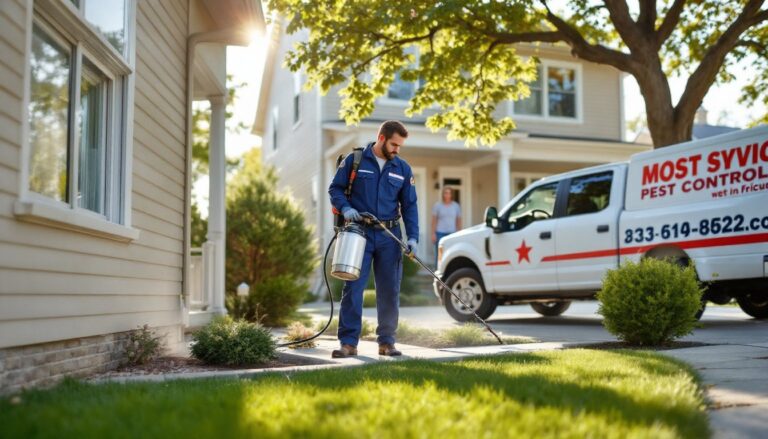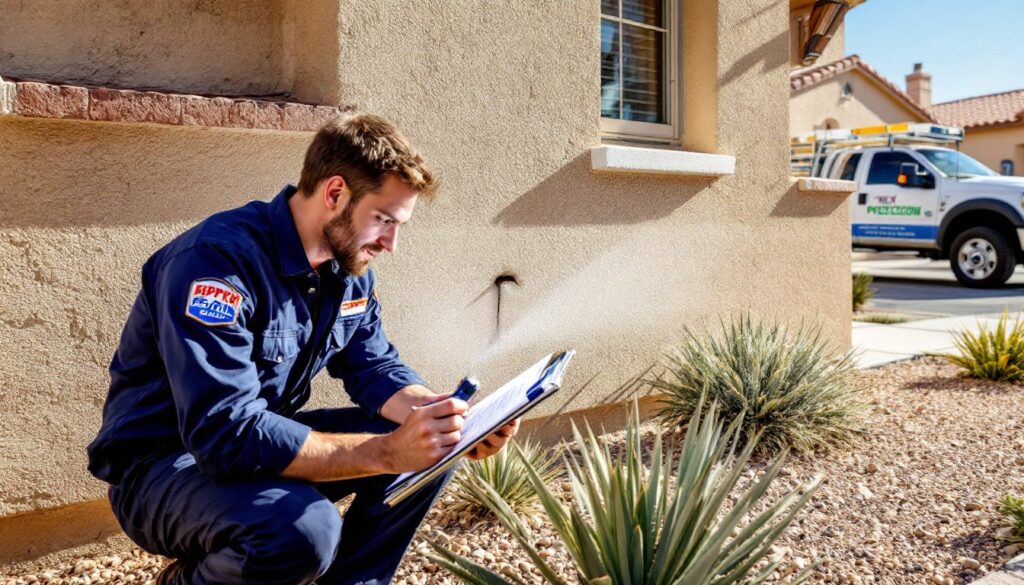
Pest problems in the western United States aren’t quite the same as what homeowners in the Midwest or East Coast face. Dry climates, sprawling suburbs pushing into natural habitats, and year-round mild temperatures create perfect conditions for critters that don’t take winter breaks. From carpenter ants chewing through siding to roof rats nesting in attics, western homes deal with a unique mix of invaders. This guide breaks down the most common pests in the region, practical DIY control strategies, and when it’s time to stop messing around and call in the pros.
Table of Contents
ToggleKey Takeaways
- Western pest control requires region-specific strategies because year-round mild temperatures allow pests like roof rats, carpenter ants, and termites to breed continuously without seasonal die-offs.
- Exclusion and moisture management are the most effective DIY defenses—seal gaps larger than 1/4 inch, trim tree branches 6-8 feet from rooflines, and fix leaky pipes to eliminate pest harborage and water sources.
- Roof rats, Argentine ants, and subterranean termites are the most common western home invaders, each requiring different detection methods and control strategies tailored to your specific pest type.
- Call a licensed pest control professional for structural infestations, drywood termite fumigation, large rodent colonies, or recurring problems that suggest hidden entry points or moisture issues you can’t locate.
- Professional treatments cost $150-400 for inspections and common pest control, while termite treatments range from $1,200-3,500 depending on severity, making early prevention and DIY exclusion a cost-effective first line of defense.
- Understanding the difference between termite and ant swarmers, recognizing carpenter ant frass, and identifying black widow spiders helps homeowners determine when DIY solutions suffice versus when professional expertise is essential.
Understanding Western Pest Control and Regional Challenges
The western U.S., from California up through Washington and across to Montana, presents distinct pest control challenges shaped by geography and climate. Unlike regions with hard winters that knock down insect populations, many western areas experience mild, dry conditions year-round. This allows pests to breed continuously without seasonal die-offs.
Low humidity and sparse rainfall mean wood-destroying insects like termites favor damp areas around foundations, irrigation systems, and leaky pipes. Desert regions deal with scorpions and black widow spiders seeking shelter indoors during temperature extremes. Coastal areas see higher carpenter ant activity due to moisture from marine air.
Urban sprawl into wildlands creates interface zones where rodents, raccoons, and other wildlife find easy food sources in human structures. New construction often disturbs existing pest habitats, driving them into freshly built homes before landscaping matures enough to create natural barriers.
Regional building practices matter too. Stucco exteriors common in the Southwest can hide termite tubes and make inspections trickier than with wood siding. Crawl spaces in Pacific Northwest homes offer ideal harborage for moisture-loving pests. Understanding these regional factors helps homeowners target prevention efforts where they’ll actually work.
Most Common Pests in Western Homes
Rodents, Ants, and Spiders
Roof rats (also called black rats) are the dominant rodent pest in California, Arizona, and Nevada. Unlike Norway rats that burrow, roof rats climb, they’ll use tree branches, utility lines, and vines to access attics and upper floors. Look for 1/2-inch entry points around eave vents, roof-wall junctions, and where pipes penetrate siding. Signs include droppings (1/2-inch long, pointed ends), gnaw marks on wood trim, and greasy rub marks along travel routes.
House mice remain common everywhere, requiring gaps as small as 1/4 inch to enter. They nest in wall voids, under appliances, and inside stored boxes. A single breeding pair can produce 60+ offspring annually in mild climates with no winter brake.
Argentine ants dominate the ant scene in coastal California, forming massive supercolonies that make traditional baiting less effective. Odorous house ants (named for their rotten-coconut smell when crushed) are widespread throughout the region. Both species follow moisture and sugary food sources indoors, especially during hot, dry summer months when outdoor resources dwindle.
Black widow spiders thrive in garages, sheds, and woodpiles throughout the West. Females are identifiable by the red hourglass marking on their black abdomen. While bites are medically significant, they’re rarely fatal with modern treatment. Wolf spiders and hobo spiders also show up regularly but are less concerning. Many homeowners appreciate that outdoor pest management focuses on reducing harborage around foundations, keeping vegetation trimmed and removing debris eliminates hiding spots without chemicals.
Termites and Wood-Destroying Insects
Subterranean termites cause more structural damage in the West than any other pest. They live in soil colonies and build mud tubes (about pencil-width) up foundation walls to access wood. Western subterranean termites (Reticulitermes hesperus) swarm in daylight during late winter to early spring, often confused with flying ants.
Key differences: termite swarmers have straight antennae, equal-length wings, and thick waists. Ant swarmers have elbowed antennae, unequal wings, and pinched waists. If you see swarmers indoors, you’ve likely got an established colony in or near the structure.
Drywood termites are a West Coast specialty, especially in Southern California. Unlike subterranean types, they don’t need soil contact, they live entirely within the wood they consume. Homeowners often discover them by finding small piles of fecal pellets (resembling sawdust or coffee grounds) below infested wood. Drywood termite control typically requires whole-structure fumigation (tenting) or localized treatments using heat or chemicals injected into galleries.
Carpenter ants don’t eat wood like termites, but they excavate galleries for nesting, weakening structural members over time. Western black carpenter ants (Camponotus modoc) are common in the Pacific Northwest and mountain states. They prefer moist, decaying wood, often a sign of water damage that needs addressing alongside pest treatment. Sawdust-like debris (frass) below wooden beams or near wall voids indicates active galleries.
DIY Pest Control Methods for Western Homeowners
Start with exclusion, it’s the most effective long-term strategy and doesn’t involve chemicals. Walk your home’s perimeter and seal any gaps larger than 1/4 inch using:
- Steel wool stuffed into holes (rodents can’t chew through it), then covered with copper mesh or expanding foam rated for pest exclusion
- Weatherstripping on doors and windows, especially garage doors that often have significant gaps
- 1/4-inch hardware cloth over vents, chimneys, and crawl space openings
- Caulk (polyurethane or silicone) for cracks in stucco, around pipe penetrations, and where different building materials meet
Trim tree branches back at least 6-8 feet from rooflines to eliminate roof rat highways. Remove ivy, bougainvillea, and other climbing plants from exterior walls, they create pest ladders and hide entry points. A comprehensive approach to general pest prevention starts with this kind of structural defense.
Moisture management cuts pest pressure dramatically in arid western climates where water sources are scarce. Fix leaky faucets, repair dripping irrigation lines, and ensure gutters drain away from foundations. Use a dehumidifier in damp crawl spaces (target 50-60% relative humidity). Many home maintenance guides emphasize that moisture control prevents both pest problems and structural issues like rot.
For ant control, use bait stations rather than sprays. Sprays kill foragers but not the colony. Liquid baits (like those containing borax or fipronil) allow workers to carry poison back to the nest. Place stations along ant trails, near entry points, and under sinks. Replace every 3 months or when bait dries out. Argentine ant supercolonies may require multiple bait types rotated over weeks.
Rodent trapping works for small infestations. Use snap traps or enclosed snap traps (safer around kids and pets) baited with peanut butter, dried fruit, or nesting material (cotton balls work surprisingly well). Set traps perpendicular to walls with the trigger end nearly touching the baseboard, rodents run along walls, not across open floors. Check traps daily.
Avoid glue traps, they’re inhumane and create a mess with live, panicked rodents. Skip poison bait blocks unless you’re confident locating and removing dead rodents from wall voids (the smell is horrific and lasts weeks).
Termite monitoring can be DIY, but treatment usually isn’t. Install termite monitoring stakes around your foundation’s perimeter (place every 10-15 feet). Check quarterly for activity. If you spot mud tubes, don’t disturb them, a professional needs to assess the infestation scope before treatment.
Safety gear matters. Wear nitrile gloves when handling traps, bait, or cleaning up droppings (rodent waste can carry hantavirus). Use an N95 mask when working in dusty attics or crawl spaces. Keep children and pets away from bait stations and traps. Read product labels completely, application rates, re-entry intervals, and disposal instructions are legally binding and there for good reason.
When to Call a Professional Pest Control Service
Some situations exceed DIY capability or legal limits. Call a licensed pest control operator when:
Structural infestations exist. If you’ve got termites in floor joists, carpenter ants in wall studs, or rodents that have defeated all your exclusion attempts, professionals have tools and access to commercial-grade products homeowners can’t buy. Termite treatments using liquid termiticides (like fipronil or imidacloprid) or Sentricon bait systems require specialized equipment and licensing.
Health risks are present. Large rodent infestations carry disease risk through droppings, urine, and parasites. Professional cleanup involves HEPA vacuuming, antimicrobial treatments, and proper disposal following OSHA guidelines. Black widow or brown recluse spiders in living areas, especially with children or elderly residents, warrant professional treatment. When researching providers, homeowners often compare the cost of professional services to gauge market rates.
You’re dealing with wood-destroying pests beyond surface level. Drywood termites require fumigation (whole-house tenting with sulfuryl fluoride gas) or targeted heat treatment reaching 120-140°F for 35+ minutes. Both require certified applicators and specialized equipment. Many homeowners investigate whether professional intervention fits their budget before committing.
Recurring problems suggest hidden issues. If ants or rodents return weeks after treatment, there’s likely a structural problem, moisture intrusion, hidden entry points, or harborage you haven’t found. Licensed professionals trained in expert inspection techniques can identify problems you’ve missed, using thermal imaging, moisture meters, and borescopes to inspect wall voids without demolition.
Local regulations require it. Some jurisdictions mandate licensed applicators for certain pesticides or treatments near water sources, schools, or sensitive habitats. Check with your county agricultural commissioner or state pest control board.
When hiring, verify the company holds current licenses (California requires a Structural Pest Control License, other states have equivalent credentials). Ask about their Integrated Pest Management (IPM) approach, good companies prioritize exclusion and sanitation over chemicals. Get written estimates detailing treatment methods, products used, re-treatment guarantees, and whether prep work (like moving furniture or bagging food) falls on you. Reading service provider reviews helps identify reputable operators with track records in your area.
Expect to pay $150-400 for initial inspections and treatments for common pests, $1,200-2,500 for whole-house termite treatments (soil trenching and foundation treatment), and $1,200-3,500+ for drywood termite fumigation depending on home size and infestation severity. Quarterly maintenance plans run $75-150 per visit. Prices vary significantly by region, Southern California and Bay Area rates run higher than interior states.
Conclusion
Western pest control demands a regionally informed approach. The combination of year-round breeding conditions, unique pest species, and diverse building styles means strategies that work in Minneapolis won’t necessarily translate to Phoenix or Portland. Successful control balances vigilant exclusion, moisture management, and knowing when a problem exceeds DIY limits. Whether tackling it yourself or hiring professionals, understanding your specific pest pressures and home vulnerabilities makes the difference between short-term relief and long-term solutions.