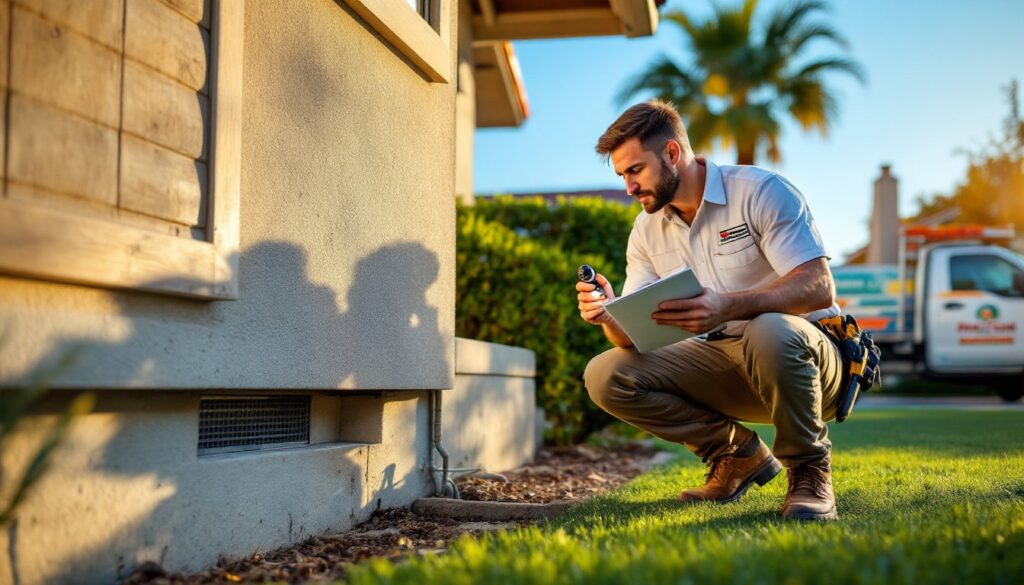
California homeowners face a unique pest problem: year-round activity. Unlike colder states where winter freezes knock back insect populations, the Golden State’s mild climate lets pests thrive in every season. From carpenter ants tunneling through coastal decks to roof rats nesting in palm trees, California’s diverse ecosystems support an equally diverse lineup of unwanted guests. Add in drought cycles, urban sprawl into wildland zones, and older housing stock with aging foundations, and you’ve got conditions that make pest prevention a genuine structural concern, not just a nuisance. This guide covers what California homeowners need to know to protect their property in 2026.
Table of Contents
ToggleKey Takeaways
- California’s year-round mild climate and diverse ecosystems create persistent pest populations unlike colder states, making California pest control a structural necessity rather than just a seasonal concern.
- Subterranean termites cause more structural damage in California than all other pests combined, but early detection through quarterly monitoring and mud tube identification can prevent thousands in repair costs.
- Exclusion and sealing entry points as small as ¼ inch (for mice) and ½ inch (for rats) are more effective long-term solutions than traps alone and should focus on foundation vents, rooflines, and utility penetrations.
- Licensed pest control professionals holding Branch 2 or Branch 3 California licenses are essential for termite inspections before home sales, rodent exclusion work, and difficult-to-eliminate pests like bed bugs and wildlife.
- Integrated Pest Management (IPM) prioritizes non-chemical tactics like moisture control, sanitation, and habitat modification before pesticides, reducing environmental impact while maintaining effectiveness for California pest control.
- Older pre-1960s California homes with grandfathered construction, wood-to-soil contact, and unscreened vents face the highest pest vulnerability and require immediate preventive action.
Understanding California’s Unique Pest Challenges
California’s 840-mile length spans multiple climate zones, from Mediterranean coastal regions to high desert and alpine areas. This geographic diversity creates habitat for pest species that wouldn’t survive elsewhere in the U.S. Year-round mild temperatures mean insects don’t enter true dormancy, and breeding cycles continue through what other states call “off-season.”
Drought conditions, common across Southern California and the Central Valley, drive pests indoors seeking moisture. A leaking pipe or condensation under a refrigerator becomes prime real estate for German cockroaches and silverfish. Conversely, wet winters following dry years trigger population booms in subterranean termites, which swarm in huge numbers when soil moisture returns.
Urban-wildland interface zones present another challenge. As housing developments push into foothill and canyon areas, homeowners encounter pests that wouldn’t normally interact with structures: rattlesnakes, black widow spiders, and Argentine ants forming supercolonies that span multiple properties. These aren’t problems a can of spray will solve.
Older housing stock, especially pre-1960s construction, often features crawl spaces with dirt floors, unscreened foundation vents, and wood-to-soil contact points that violate modern building codes. The 2021 California Residential Code (based on IRC) requires 18 inches of clearance between soil and untreated wood framing, but grandfathered structures don’t have to comply unless undergoing permitted renovation. That gap in enforcement leaves millions of homes vulnerable to wood-destroying insects.
Most Common Household Pests in California
Ants, Termites, and Wood-Destroying Insects
Subterranean termites cause more structural damage in California than all other pests combined. These insects build mud tubes from soil up foundation walls to access wood framing. Swarms typically occur in late winter through early spring after rain. A serious infestation can compromise floor joists, studs, and sill plates in under three years. If a homeowner spots winged termites indoors or finds mud tubes on the foundation, a professional inspection is required, many real estate transactions in California mandate termite reports before close of escrow.
Drywood termites infest wood without ground contact, common in attics and furniture. Unlike subterranean species, they don’t need soil moisture. Tell-tale signs include small piles of fecal pellets (frass) that look like sawdust or sand. Treatment usually involves fumigation or localized heat treatment, both require licensed applicators.
Carpenter ants don’t eat wood but excavate it for nesting. Black carpenter ants and the smaller Modoc carpenter ant are widespread along the coast and in forested areas. They prefer moist, decaying wood: homeowners often find them in water-damaged window sills, roof eaves, or under bathtubs with slow leaks. Unlike termites, carpenter ants leave behind smooth galleries and kick out coarse sawdust.
Argentine ants dominate California’s urban ant scene. These small brown ants form massive colonies with multiple queens and interconnected nests. They’ll trail along baseboards, plumbing penetrations, and electrical conduit chases. Standard bait stations work, but controlling them often requires treating the exterior perimeter and eliminating moisture sources.
Rodents and Wildlife Invaders
Roof rats (Rattus rattus) are agile climbers that nest in attics, palm trees, and dense ivy. They gnaw through electrical wiring (a serious fire hazard), chew PEX plumbing lines, and contaminate insulation with urine. California law allows homeowners to trap rats without a license, but exclusion, sealing entry points, is more effective than trapping alone. Gaps as small as ½ inch allow adult rats to enter: check where utilities penetrate walls, along rooflines, and around attic vents.
House mice are smaller but equally destructive. They can squeeze through ¼-inch openings and reproduce rapidly, a single female can produce 5–10 litters per year. Mice nest in wall voids, under appliances, and in storage boxes. Snap traps work well for small populations: glue boards are less humane and often just trap tails.
Raccoons, opossums, and skunks frequently den under decks, in crawl spaces, or in accessible attics. These are wildlife, not pests, and California law restricts their removal. Homeowners can exclude them using one-way doors or hardware cloth barriers, but relocating trapped wildlife without a permit is illegal. If an animal is injured or poses immediate danger, contact licensed pest professionals or county animal control.
DIY Pest Prevention Strategies for California Homeowners
Most pest problems start with access and resources. Eliminate those, and you’ll cut infestations before they begin.
Exterior perimeter maintenance is your first line of defense. Walk the foundation and seal cracks wider than 1/8 inch using polyurethane or silicone caulk. Install door sweeps on exterior doors, gaps under doors are highways for ants, spiders, and crickets. Replace damaged weatherstripping around windows and doors. Trim tree branches and shrubs so they’re at least 3 feet from the structure: overhanging limbs give roof rats and ants direct access to rooflines.
Check foundation vents in crawl spaces. They should have 1/8-inch or 1/4-inch mesh screening to exclude rodents. If vents are broken or missing screens, replace them, hardware cloth (galvanized steel mesh) works better than plastic screening, which rodents chew through.
Moisture control is critical. Fix leaking faucets, pipes, and irrigation lines. Clean gutters twice a year so water doesn’t pool near the foundation. In crawl spaces, consider installing a 6-mil polyethylene vapor barrier over exposed dirt to reduce humidity, this helps prevent both termites and mold. If the crawl space stays damp even though a vapor barrier, a dehumidifier or improved ventilation may be necessary.
Inside, store food in airtight containers, not the original cardboard packaging, which mice and pantry moths chew through. Keep pet food sealed and clean up spills immediately. Take trash out daily and use bins with tight-fitting lids.
Firewood storage matters more than most homeowners realize. Stack wood at least 20 feet from the house and 6 inches off the ground on a rack. Firewood piled against the house invites termites, carpenter ants, and bark beetles.
For general pest control, routine monitoring beats reactive treatment. Check your property quarterly using a flashlight and screwdriver. Tap exposed wood in the crawl space, garage, and attic: damaged wood sounds hollow. Look for mud tubes, frass, or insect wings. Early detection saves thousands in repair costs.
When to Call a Professional Pest Control Service
Some pest issues are beyond DIY. If a homeowner spots termite swarms, finds structural damage, or discovers a rats’ nest in the attic, it’s time to bring in a licensed professional.
California requires structural pest control operators to hold a Branch 2 (wood-destroying pests) or Branch 3 (general pests) license issued by the Structural Pest Control Board. Always verify a contractor’s license number at Angi’s California directory or the state board’s website before signing a contract.
Termite inspections are a must before buying or selling a home. Most lenders require a clearance report. A full inspection covers accessible areas, foundation, attics, eaves, decks, and notes conditions conducive to infestation, like wood-to-soil contact or excessive moisture. If the inspector finds active infestation, treatment options include liquid termiticides (soil-applied barriers), bait systems, or fumigation. Fumigation (tenting) costs $1,200–$2,500 for an average single-family home in 2026, depending on square footage and region, but prices vary with local market conditions and the extent of infestation.
Rodent control often requires professional help if traps alone aren’t working. Professionals conduct exclusion work, sealing entry points using materials rodents can’t chew through, like copper mesh, steel wool, or sheet metal. They’ll also identify nesting sites and eliminate attractants. Expect to pay $300–$800 for a comprehensive rodent exclusion service on a typical California home, though costs can climb higher if extensive repairs to rooflines or foundation vents are needed.
Bed bugs, fleas, and German cockroaches are notoriously hard to eliminate without professional-grade equipment and products. Bed bug treatment often involves heat treatment (raising room temperature to 120–140°F for several hours) or targeted insecticide application. DIY foggers don’t reach eggs or insects hiding in cracks.
If wildlife, raccoons, skunks, or bats, has denned in the attic or crawl space, hire a licensed wildlife removal specialist. They’ll humanely exclude animals, clean contaminated insulation, and install barriers to prevent re-entry. Handling wildlife without training risks bites, disease exposure, and legal trouble.
Homeowners managing ongoing pest pressure might consider quarterly or biannual service contracts. These typically include exterior perimeter treatments, interior spot treatments as needed, and monitoring for wood-destroying insects. Costs range from $100–$200 per visit, depending on property size and service scope.
Eco-Friendly and Safe Pest Control Methods
California’s environmental regulations and homeowner preferences have driven a shift toward reduced-risk pest management. The state’s Department of Pesticide Regulation (DPR) restricts many chemicals that remain legal elsewhere, and Integrated Pest Management (IPM) principles are now standard in licensed pest control.
IPM prioritizes non-chemical tactics first: exclusion, sanitation, habitat modification, and monitoring. Pesticides are used only when thresholds are met and applied in targeted, minimal quantities. This approach reduces human and environmental exposure while maintaining effectiveness.
Bait stations for ants, cockroaches, and rodents keep toxicants contained and away from children and pets. Modern ant baits use boric acid or fipronil in slow-acting formulations that worker ants carry back to the colony, eventually reaching the queen. Place bait stations along trails but out of reach, under appliances, inside cabinets, or behind furniture.
Diatomaceous earth (DE), food-grade, not pool-grade, works as a mechanical insecticide. The fine powder damages insect exoskeletons, causing dehydration. Dust it into cracks, behind baseboards, and in attics. Wear a dust mask when applying: DE is non-toxic but irritating to lungs if inhaled in quantity.
Botanical insecticides like pyrethrin (derived from chrysanthemums) break down quickly and have low mammalian toxicity. They’re effective against flying insects and many crawling pests but require direct contact and don’t provide residual protection.
For rodent control, consider electronic traps that deliver a quick, humane kill. They’re more expensive than snap traps ($40–$80 per unit) but reduce mess and guesswork. Some California jurisdictions, including certain counties and cities, have restricted or banned anticoagulant rodenticides (second-generation rodenticides like brodifacoum) due to secondary poisoning of raptors and other predators. Check local ordinances before using any rodenticide.
Exclusion and habitat modification remain the most sustainable long-term strategies. Resources like Today’s Homeowner and HomeAdvisor offer seasonal maintenance checklists that include pest prevention tasks, clearing gutters, inspecting weatherstripping, and trimming vegetation.
When hiring a service, ask about their IPM practices and product choices. Many California companies now offer “green” or reduced-risk treatment plans. These may cost slightly more upfront but reduce repeat treatments and environmental impact. If a professional recommends a pesticide, request the product’s Safety Data Sheet (SDS) and understand how long re-entry restrictions last, especially important for homes with children or pets.
Finally, understand that pricing varies significantly across regions and service types. Northern California’s higher labor costs and Bay Area’s stringent regulations often mean higher service fees than inland or Southern California markets. Always get multiple quotes and verify licenses before committing to a contract.