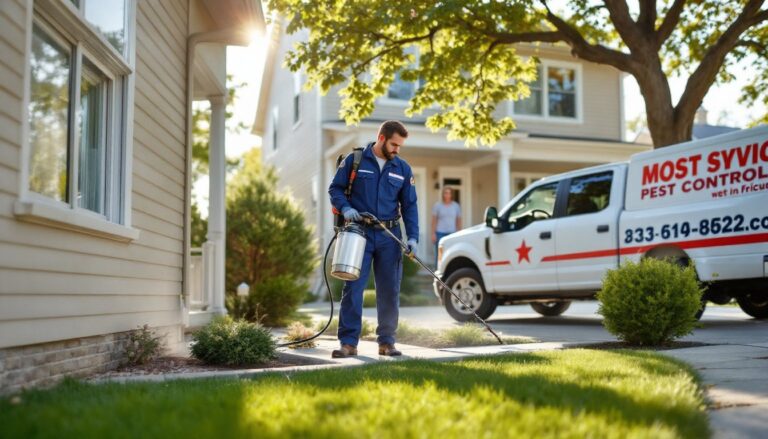
Nobody likes sharing their home with uninvited guests, especially the six-legged, tail-dragging, or wing-flapping kind. Whether it’s ants colonizing the kitchen counter, mice nesting in the garage, or roaches staging midnight raids, dealing with pests is a reality most homeowners face. The good news? Many infestations can be tackled without calling in the pros, saving both time and money. DIY pest control has come a long way from grandma’s boric acid and flyswatter. Today’s methods blend proven techniques, modern materials, and a bit of strategy to reclaim living space effectively.
Table of Contents
ToggleKey Takeaways
- DIY pest control saves homeowners $100–$300 per visit compared to professional services, making it ideal for isolated pest problems like a few ants or occasional spiders.
- Essential DIY pest control supplies include boric acid powder, diatomaceous earth, snap traps, caulk, and sprayers—starting with basics and scaling up as needed based on the infestation.
- Combine natural methods like diatomaceous earth and essential oils with chemical treatments such as boric acid and pyrethroid sprays for faster, more effective results on common household pests.
- Prevention is the most cost-effective long-term strategy: seal entry points, eliminate moisture, store food in airtight containers, and maintain regular inspections to stop pests from returning.
- Know your limits—termites, bed bugs, carpenter ants, and large rodent infestations require professional treatment due to safety risks, structural concerns, or specialized equipment needs.
Why Choose DIY Pest Control Over Professional Services
Professional pest control services can run anywhere from $100 to $300 per visit, with quarterly contracts pushing costs north of $500 annually, and that’s for basic maintenance, not major infestations. For homeowners dealing with isolated issues like a few ants or occasional spiders, calling a company feels like overkill.
DIY methods offer flexibility and immediate action. There’s no waiting for an appointment window or coordinating schedules. Spot a problem at 10 PM? Head to the garage and handle it. Most common household pests, ants, roaches, spiders, silverfish, and even mice, respond well to targeted DIY treatments when caught early.
Another advantage: control over ingredients. Homeowners with pets, kids, or sensitivities can choose low-toxicity or eco-friendly solutions rather than relying on whatever a service truck rolls up with. Plus, learning the basics builds confidence. Understanding why pests show up and how to prevent re-entry beats scheduling another visit six months down the road.
That said, DIY has limits. Termites, bed bugs, carpenter ants, and large rodent colonies often require professional-grade equipment, fumigation, or structural repairs. If the infestation is extensive, spreading fast, or involves wood-destroying insects, don’t gamble, call a licensed pest control operator.
Essential Supplies and Tools for DIY Pest Control
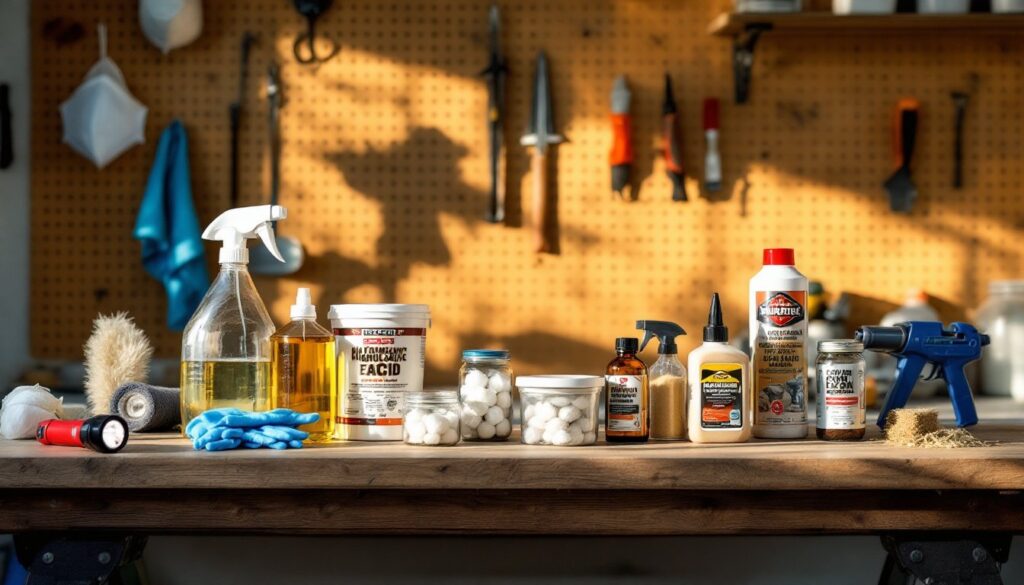
A well-stocked pest control kit doesn’t need to look like a hazmat closet. Start with the basics and scale up as needed.
Core Supplies:
- Boric acid powder: Works on roaches, ants, and silverfish. Apply in cracks, behind appliances, and along baseboards.
- Diatomaceous earth (food-grade): Non-toxic desiccant that shreds insect exoskeletons. Effective on crawling pests.
- Caulk and expanding foam: Seal entry points around pipes, vents, windows, and foundation cracks. Pests don’t need much, a dime-sized gap is an open door.
- Snap traps and bait stations: For mice and rats. Snap traps are reusable and reliable. Bait stations keep poison secure if kids or pets are around.
- Spray bottles and pump sprayers: For applying liquid treatments indoors and out.
- Insecticidal soap or neem oil: Safe for indoor use on soft-bodied insects like aphids, mites, and some ants.
- Glue boards: Passive monitors for roaches, spiders, and mice. Place along walls and in corners.
Tools Worth Having:
- Flashlight or headlamp: Most pests are nocturnal. Inspecting at night reveals travel paths and hiding spots.
- Caulk gun: Makes sealing gaps faster and cleaner.
- Dust mask and gloves: Always wear when handling powders or chemical treatments. Safety goggles are a must if spraying overhead or in tight spaces.
- Hand duster: For applying boric acid or DE into wall voids, attics, and crawl spaces.
Don’t skip the prep tools. A stiff brush, shop vac, and degreaser matter as much as the pesticide itself. Cleaning removes food sources, pheromone trails, and nesting material, half the battle is making the space uninhabitable for pests.
Top DIY Methods for Common Household Pests
Natural and Eco-Friendly Pest Control Solutions
Natural methods work best for light to moderate pest pressure, especially when prevention is already in place. They’re slower-acting than synthetic chemicals but safer around kids, pets, and food prep areas.
Diatomaceous earth (DE) is a go-to for crawling insects. Sprinkle a thin layer along baseboards, under sinks, and in cabinets. It takes a few days to work, but it’s effective on roaches, ants, earwigs, and fleas. Use food-grade DE only, pool-grade is hazardous to breathe.
Essential oils like peppermint, eucalyptus, and tea tree oil act as repellents. Mix 10–15 drops per cup of water in a spray bottle and apply to entry points, windowsills, and cracks. Reapply every few days. It won’t kill pests but can discourage them from crossing treated zones.
Vinegar and soap traps handle fruit flies and gnats. Fill a jar with apple cider vinegar and a few drops of dish soap. The scent attracts flies: the soap breaks surface tension so they drown. Keep it near compost bins or overripe produce.
For mice, peppermint-soaked cotton balls placed near suspected entry points may deter them temporarily, but snap traps are far more reliable. Natural doesn’t mean passive, monitoring and reapplication are critical.
Homeowners focused on general pest control often layer natural methods with sanitation and exclusion for a non-toxic, long-term strategy.
Chemical-Based DIY Treatments That Actually Work
When natural methods fall short, or when speed matters, chemical treatments deliver results. Used correctly, they’re safe and highly effective.
Boric acid remains the gold standard for roaches and ants. It’s a stomach poison that pests carry back to nests. Apply as a dust in wall voids, behind outlets (power off first), and under appliances. Don’t pile it on: a light dusting is more effective because insects won’t avoid it.
Pyrethroid-based sprays (active ingredients like bifenthrin or permethrin) are the workhorses of DIY pest control. They kill on contact and leave a residual barrier lasting weeks. Spray along baseboards, door thresholds, window frames, and cracks where pests enter. Always follow label dilution rates, more isn’t better and can cause pest avoidance or resistance.
Granular baits work well for outdoor ant colonies. Broadcast around the foundation, flower beds, and mulch zones. Ants carry the bait back to the queen, collapsing the colony over a week or two.
Rodenticide blocks or pellets are effective but risky. Use them only in tamper-resistant bait stations secured out of reach of kids and pets. Place stations along walls where rodents travel, not in open floor space. Check bait every few days and dispose of dead rodents promptly to avoid secondary poisoning of pets or wildlife.
Indoor foggers (bug bombs) are controversial. They’re overkill for most situations, leave residue on surfaces, and don’t penetrate cracks where pests hide. Spot treatments and targeted sprays are safer and more effective.
Always wear gloves and a mask when mixing or applying chemicals. Read the label, every time. Products vary in re-entry times, PPE requirements, and restrictions around food prep areas.
Preventative Measures to Keep Pests Out for Good
Treatment handles the problem: prevention stops it from coming back. Most pest issues boil down to three factors: food, water, and shelter. Remove those, and pests move on.
Seal entry points. Walk the perimeter of the home and inspect for gaps around pipes, vents, electrical conduits, and foundation cracks. Use polyurethane caulk for exterior gaps up to ½ inch and expanding foam for larger voids. Steel wool stuffed into holes works for rodents, they can’t chew through it. Don’t forget weatherstripping around doors and windows.
Eliminate moisture. Fix leaky faucets, clear clogged gutters, and ensure downspouts drain away from the foundation. Pests like roaches, silverfish, and centipedes thrive in damp environments. In crawl spaces or basements, consider a dehumidifier if humidity stays above 60%.
Store food properly. Transfer pantry staples like flour, sugar, rice, and pet food into airtight plastic or glass containers. Cardboard and bags are no match for rodents or pantry moths. Wipe down counters nightly and don’t leave dirty dishes in the sink overnight.
Manage waste. Empty trash daily and use cans with tight-fitting lids. Rinse recyclables before tossing them. Compost bins should be at least 20 feet from the house and sealed well.
Trim vegetation. Keep shrubs, tree branches, and mulch at least 12 inches away from the foundation. Overgrown landscaping creates bridges for ants, spiders, and rodents. Rake up leaf litter and remove woodpiles stacked against the house.
Regular inspections. Check attics, basements, and crawl spaces quarterly for signs of activity, droppings, chewed insulation, or nesting material. Early detection beats dealing with an established colony.
Many tested home improvement recommendations emphasize that prevention is cheaper and less stressful than reactive treatment.
When to Call a Professional Instead
DIY pest control works for most routine issues, but some situations demand professional help, either because of the pest itself, the scale of the problem, or safety concerns.
Termites are non-negotiable. They cause billions in structural damage annually and require specialized treatments like liquid termiticides, bait systems, or fumigation. DIY termite treatments are unreliable and can let damage progress unchecked.
Bed bugs are notoriously difficult to eliminate. They hide in seams, outlets, and picture frames, and over-the-counter sprays rarely reach all life stages. Heat treatment or professional-grade insecticides are usually necessary. If bites persist after two weeks of DIY efforts, call a pro.
Carpenter ants and powder post beetles indicate structural concerns. These pests bore into wood and can compromise framing, joists, or siding. A licensed pest control operator can identify the species, locate nests, and treat with residual insecticides or dusts that reach deep into wall voids.
Large rodent infestations or signs of rats in walls or attics often require exclusion work beyond DIY scope, sealing roof vents, installing chimney caps, or repairing soffits. Professionals also handle cleanup and sanitation, which is critical because rodent urine and droppings can carry hantavirus.
Wasps, hornets, or yellow jackets nesting near entries or in wall voids pose sting risks. If the nest is high, inside a structure, or the species is aggressive, don’t attempt removal. Pros have protective gear and can treat nests safely.
For homeowners comparing costs, understanding Orkin pricing structures helps set realistic expectations when professional service becomes necessary.
Finally, if an infestation persists even though multiple DIY attempts, something’s being missed, entry points, a food source, or misidentified pests. A professional inspection often reveals what’s going wrong and provides a roadmap to fix it. Don’t let pride or budget concerns turn a manageable problem into structural damage or a health hazard.