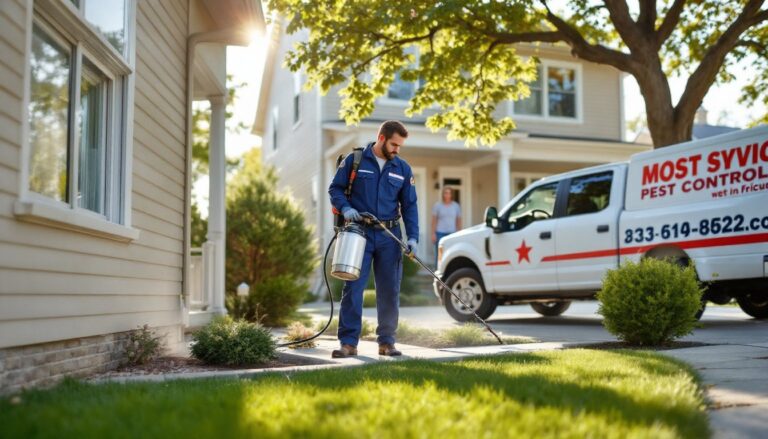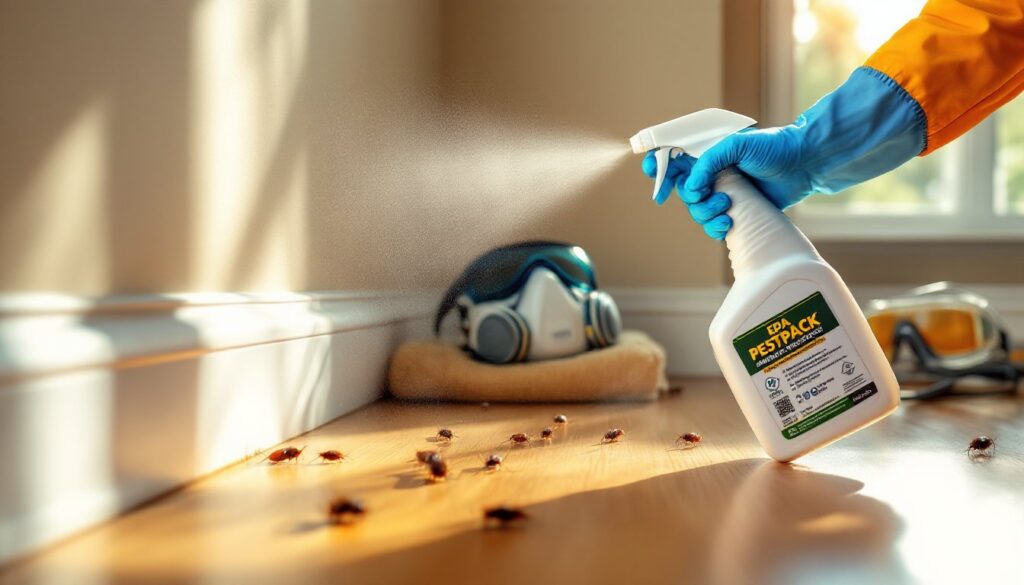
Nobody wants to share their home with cockroaches, mice, or carpenter ants. When traps and natural remedies don’t cut it, chemical pest control becomes the next line of defense. These products can knock out infestations fast, if used correctly. But walk into any hardware store and you’ll face walls of aerosols, baits, dusts, and concentrates, each claiming to be the ultimate solution. Choosing the wrong product or applying it improperly can waste money, endanger your family and pets, or even make the problem worse. This guide breaks down what chemical pest control actually is, which products work for specific pests, when they’re necessary, and how to use them safely without turning your home into a hazmat zone.
Table of Contents
ToggleKey Takeaways
- Chemical pest control uses synthetic or naturally derived compounds to kill, disrupt, or repel pests, and must always follow EPA label instructions exactly to ensure safety and effectiveness.
- Choose the right chemical pest control formulation based on the pest type—aerosol sprays for visible insects, gel baits for ants and cockroaches, and dust formulations for hard-to-reach areas like wall voids.
- Always prioritize Integrated Pest Management (IPM) by sealing entry points, eliminating food and water sources, and using traps first—chemical pest control should support these tactics, not replace them.
- Follow strict safety precautions including wearing nitrile gloves and respirators, ventilating treated areas, spot-treating rather than broadcasting, and keeping product labels accessible for emergencies.
- Chemical pest control offers fast knockdown and residual protection but carries health risks, can harm beneficial insects, and may lead to pest resistance, making it most effective as part of a long-term integrated strategy.
What Is Chemical Pest Control and How Does It Work?
Chemical pest control uses synthetic or naturally derived compounds to kill, repel, or disrupt the life cycle of unwanted insects, rodents, and other pests. These products, collectively called pesticides, target specific biological systems in pests, such as their nervous systems, digestive tracts, or reproductive cycles.
Most home-use pesticides fall into one of three action categories:
- Contact killers: These work on touch, disrupting nerve signals or damaging the pest’s exoskeleton. Pyrethroids (synthetic versions of chrysanthemum extracts) are common in aerosol sprays.
- Stomach poisons: Ingested by the pest, these chemicals interfere with digestion or metabolism. Boric acid baits and rodenticides fit this category.
- Systemic pesticides: Applied to surfaces or plants, these are absorbed and remain toxic over time. Less common in indoor residential use but relevant for perimeter treatments.
Chemical pesticides are regulated by the EPA (Environmental Protection Agency) in the U.S. Products approved for home use carry an EPA registration number and come with specific label instructions. These aren’t suggestions, they’re legal requirements. Using a product off-label (for pests or locations not listed) can void warranties, break local codes, and create liability if someone gets sick.
Understand that “chemical” doesn’t always mean harsh or synthetic. Diatomaceous earth, though mechanical in action, is often sold alongside chemical products. Boric acid is a mineral compound. But all pest control chemicals share one thing: they’re designed to kill living organisms, so respecting their potency is non-negotiable.
Types of Chemical Pesticides for Home Use
Insecticides for Common Household Pests
Insecticides handle ants, roaches, spiders, fleas, bedbugs, and flying insects. The formulation you choose depends on the pest’s behavior and the treatment area.
- Aerosol sprays: Fast-acting contact killers, ideal for visible pests. Look for products with pyrethroids (permethrin, deltamethrin) or pyrethrins (natural but less stable). These knock down flying insects instantly and work on crawling bugs, though residual protection is short, hours to a few days. Good for spot treatment, not long-term control.
- Gel baits: Best for ants and cockroaches. These use attractants mixed with slow-acting poisons (like fipronil or hydramethylnon). Pests eat the gel, return to the colony, and spread the toxin. Place baits in cracks, behind appliances, and along trails. Expect results in 3–7 days.
- Granular baits: Outdoor perimeter defense. Scatter around foundations, doorways, and mulch beds to intercept ants, crickets, and earwigs before they get inside.
- Dust formulations: Boric acid or diatomaceous earth dusts work in wall voids, attics, and under sinks. They dehydrate insects and remain effective as long as they stay dry. Apply with a hand duster for controlled placement, don’t just dump it everywhere.
- Foggers (bug bombs): Total-release aerosols that fill a room with insecticide. They’re overkill for most situations, don’t penetrate cracks where pests hide, and require you to vacate the home for hours. Reserve these for severe flea infestations in unoccupied spaces.
Many professional-grade products like concentrated insecticides are now available to homeowners, but they require mixing and careful application. If you’re dealing with bedbugs or termites, hire a licensed pest control operator, these pests need specialized treatments and often require heat or fumigation, not just sprays.
Rodenticides and Repellents
Rodenticides kill mice and rats, but they’re not your first move. Trapping is safer and gives you confirmation the rodent is gone. Use chemical bait only when trapping alone isn’t working or you’re dealing with a large population.
- Anticoagulant baits: These prevent blood clotting. First-generation types (warfarin, chlorophacinone) require multiple feedings: second-generation (bromadiolone, brodifacoum) work after a single dose but pose higher risk to pets and wildlife. Place bait blocks in tamper-resistant bait stations, never loose where kids or animals can reach them.
- Non-anticoagulant baits: These use bromethalin (a neurotoxin) or cholecalciferol (vitamin D3, which causes organ failure). Faster-acting but no antidote, so extra caution is required.
- Repellents: Granular or spray products containing capsaicin or naphthalene (mothballs) are marketed as rodent deterrents. Effectiveness is hit-or-miss. They might push rodents to another part of the house rather than outside. Ultrasonic devices have no reliable evidence backing them.
One critical caution: rodents often die in walls or crawlspaces after eating poison, leading to odor and secondary pest problems (flies feeding on the carcass). If possible, trap first, poison as a last resort.
When to Use Chemical Pest Control in Your Home
Chemical control isn’t always the first or best option. Start with Integrated Pest Management (IPM) principles: identify the pest, eliminate food and water sources, seal entry points, and use mechanical controls (traps, vacuuming, caulking). Chemicals should support these tactics, not replace them.
Reach for pesticides when:
- The infestation is active and widespread: A few ants on the counter? Wipe them up. Hundreds trailing from a wall crack? Time for gel bait.
- Non-chemical methods have failed: If you’ve sealed gaps, cleaned meticulously, and set traps with no improvement after two weeks, escalate.
- The pest poses health or structural risk: Cockroaches spread allergens and bacteria. Carpenter ants and termites damage wood. Fleas and ticks carry disease. These justify faster, more aggressive action.
- You need a perimeter defense: Treating the exterior foundation and entry points with residual insecticide can prevent pests from getting inside. This is standard in humid or heavily wooded areas.
Avoid chemical treatments if:
- You haven’t identified the pest. Spraying blindly wastes product and can make pests avoid treated areas, spreading the problem.
- You’re dealing with beneficial insects (ladybugs, bees) or a pest with a non-chemical solution (like using a dehumidifier for silverfish).
- You’re pregnant, have young children, or keep pets that roam freely. In these cases, prioritize mechanical controls and spot treatments over broadcast spraying.
Some situations demand a pro. General pest control services handle recurring infestations and apply commercial-grade products with better residual action. If you’re treating for termites, bedbugs, or anything inside your walls, get a licensed technician. These jobs often require drilling, injection equipment, and liability insurance you don’t have.
Safety Precautions and Best Practices for DIY Application
Pesticides are designed to kill, so treat them with respect. Follow these rules every time:
Before you start:
- Read the entire label. This includes the ingredient list, target pests, application instructions, and first-aid measures. The label is a legal document, ignoring it can result in fines or health consequences.
- Wear appropriate PPE: At minimum, nitrile gloves and safety glasses. For aerosols or dusts, add a respirator with organic vapor cartridges (not just a dust mask). Long sleeves and pants protect your skin.
- Clear the area: Remove pets, kids, and food. Cover or remove pet bowls, toys, and aquariums. Fish are extremely sensitive to pyrethroids.
- Ventilate: Open windows and turn on fans, especially when using sprays indoors.
During application:
- Spot-treat, don’t broadcast spray: Apply only to cracks, crevices, baseboards, and known pest pathways. Spraying entire floors or walls wastes product and increases exposure.
- Don’t over-apply: More isn’t better. Excess pesticide creates residue that’s hazardous to touch and doesn’t improve results.
- Avoid contamination: Don’t spray near food prep areas, pet bedding, or children’s toys. If treating kitchen cabinets, remove dishes first.
- Keep records: Note what you applied, where, and when. If a problem develops, you’ll know what was used.
After treatment:
- Follow re-entry times: Most products require a 2–4 hour drying period before people and pets return. Some need longer.
- Store pesticides properly: Keep them in original containers, locked away from kids and pets, in a cool, dry place. Never transfer chemicals to unmarked bottles.
- Dispose of empties correctly: Rinse aerosol cans and check local hazardous waste rules. Don’t toss them in regular trash if your municipality forbids it.
Emergency preparedness: Keep the product label handy in case of accidental exposure. If someone ingests pesticide, call Poison Control (1-800-222-1222) immediately, don’t induce vomiting unless instructed. For skin or eye contact, flush with water for 15 minutes and seek medical attention.
Products from retailers like The Spruce’s recommended vendors often include detailed safety data sheets (SDS). Download and keep these on file, especially for concentrated products you mix yourself.
Pros and Cons of Chemical Pest Control Methods
Chemical pest control works, but it’s not a magic bullet. Here’s an honest breakdown:
Advantages:
- Speed: Contact sprays kill on the spot. Baits eliminate colonies within days. No other method matches this knockdown power.
- Residual protection: Many formulations leave a barrier that kills pests for weeks or months, reducing re-infestation.
- Broad availability: You can buy effective products at any hardware store without a license, making DIY treatment accessible.
- Cost-effective for minor infestations: A $10 can of spray or tube of gel bait often solves small problems without a service call.
Disadvantages:
- Health and safety risks: Pesticides can cause skin irritation, respiratory issues, or poisoning if misused. Chronic low-level exposure is under study for long-term effects.
- Non-target impact: Chemicals don’t discriminate. You can harm beneficial insects, pets, and even yourself if you’re careless. Pyrethroids are highly toxic to cats and aquatic life.
- Resistance: Overuse leads to pest populations developing immunity, especially with cockroaches and bedbugs. Rotating active ingredients helps but isn’t foolproof.
- Doesn’t address root causes: Killing visible pests without sealing entry points or removing attractants guarantees they’ll return. You end up on a chemical treadmill.
- Environmental concerns: Pesticides can leach into soil and water. Outdoor applications affect pollinators and wildlife. For garden pest management, consider less persistent options.
Balancing these factors means using chemicals strategically, not as a default. Combine them with exclusion, sanitation, and monitoring. Think of pesticides as one tool in the kit, not the whole toolbox.
If you’re managing recurring pest issues, chemical treatments should be part of a broader strategy. Spot-treating problem areas while improving home maintenance delivers better long-term results than spraying everything in sight every few months. And if you’re uncomfortable with the risks or the infestation is beyond your skill level, paying a pro is worth it. Licensed applicators carry insurance, use commercial-grade products, and know how to minimize exposure, your time and peace of mind have value too.