
When it comes to home invaders, mice are the sneaky little ninjas that can turn your cozy abode into their personal playground. While they might be cute in cartoons, in real life, a mouse infestation can lead to chaos, destruction, and a serious case of the heebie-jeebies. Spotting the signs early is crucial to reclaiming your space before these furry freeloaders throw a raucous party in your pantry.
Overview of Mice Infestations
Mice infestations often start subtly, making early identification crucial. Feces represent one of the first signs, commonly found near food sources. Droppings resemble small, dark grains and can accumulate quickly. Chew marks on food packages or furniture indicate that mice are actively foraging. Tracks or footprints in dusty areas can reveal their movement, hinting at a nearby problem.
Gnarled holes in walls or floors provide another strong indicator of an infestation. Mice can squeeze through openings as small as a quarter. Listening for scratching noises at night often confirms their presence. Other signs include gnawed wires, insulation, or structural components, which pose additional hazards.
Finding nesting materials such as shredded paper or fabric often means a population is living nearby. They use these materials to create cozy nests for shelter and breeding. Visible urine stains or strong, musky odors further signify a mice presence, often evident in hidden corners or dark areas.
Interventions remain necessary as infestations continue to grow without prompt addressing. Monitoring these signs leads to quicker resolution. Preventing future problems requires sealing entry points, regular cleaning, and storing food in airtight containers. Taking proactive measures ensures that homes remain free from these persistent pests.
Common Signs of Bad Mice Infestation
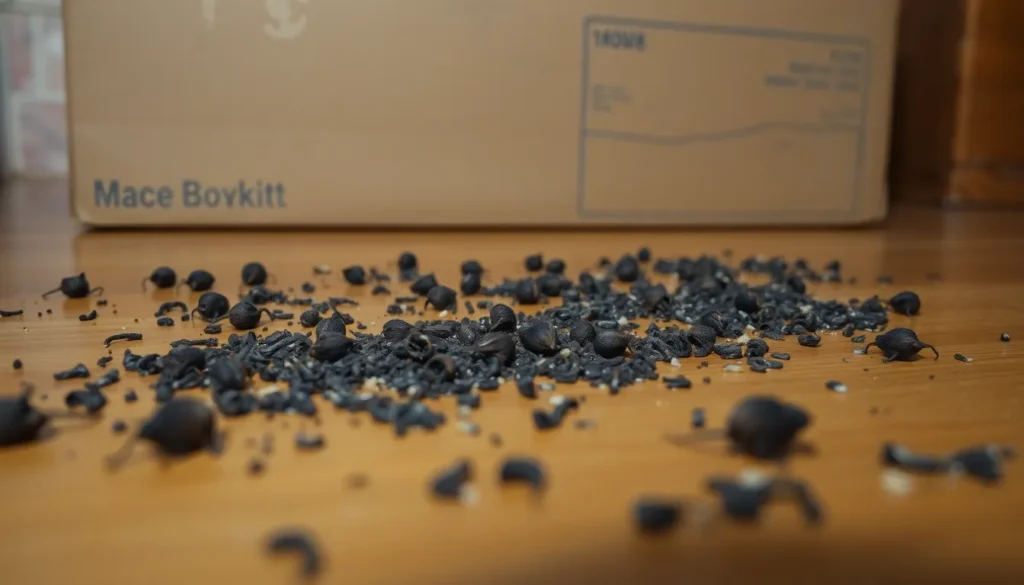
Detecting a mice infestation involves recognizing specific signs that indicate their presence. Observing these indicators can help in taking prompt action.
Droppings and Urine Stains
Mice droppings typically appear as small, dark pellets scattered around food sources or nesting sites. Their feces indicate their active areas and can often be found in kitchens or pantries. Urine stains may also be visible, often leaving a noticeable odor behind. Identifying both droppings and stains quickly establishes the level of infestation. Fresh droppings are more dangerous, suggesting recent activity, while older ones may indicate a longer-term problem.
Gnaw Marks and Damage
Gnaw marks reveal mice’s constant need to chew on various materials. Finding these marks on food packages, furniture, or wiring points to their presence. Mice possess sharp teeth that can easily pierce cardboard or plastic. Damage to these items often indicates a pathway or nesting site nearby. Inspecting for shredded paper or insulation materials can also signal they’re constructing nests. Prompt identification of such damage helps in evaluating the severity of the infestation.
Strange Noises and Scratching
Strange noises often occur during the night when mice are most active. Scratching sounds in the walls or ceilings usually suggest movement in hidden spaces. Such noises can disrupt a peaceful environment and often lead to increased awareness of potential infestations. Listening for these sounds, especially around vents or attics, can help pinpoint their location. Timely detection of these noises ensures quicker intervention to eliminate the problem.
Health Risks Associated with Infestations
Mice infestations pose significant health risks that extend beyond property damage. Understanding these risks helps inform effective management strategies.
Diseases Carried by Mice
Mice are known carriers of serious diseases that can affect humans. Hantavirus pulmonary syndrome, leptospirosis, and lymphocytic choriomeningitis are a few examples. These diseases often spread through urine, droppings, or bites, highlighting the importance of proper sanitation. Contracting these illnesses can result in severe health complications. Preventive measures include eliminating food sources and sealing entry points.
Allergies and Respiratory Issues
Allergens from mouse droppings and urine often trigger allergic reactions. Symptoms like sneezing, itchy eyes, and skin rashes may arise in susceptible individuals. Mice also contribute to respiratory issues due to the inhalation of airborne fragments from their droppings. Asthma attacks can worsen in environments infested by mice. Maintaining cleanliness and reducing exposure to these allergens significantly improves indoor air quality. Regular cleaning of surfaces and proper waste management plays a critical role in mitigating these health risks.
Prevention and Control Measures
Taking proactive steps helps minimize and control mice infestations. Two key measures include sealing entry points and maintaining a clean environment.
Sealing Entry Points
Closing gaps prevents mice from entering a home. Inspect all potential entry points, such as cracks in walls, gaps around windows, and holes in foundations. Use materials like steel wool or caulk to block these openings. Pay attention to areas near plumbing, as these are common access routes. Regular maintenance of doors and windows also helps, ensuring they close tightly. Additionally, covering vents with mesh screens provides another line of defense against these pests.
Keeping a Clean Environment
A tidy home reduces attractants for mice. Regular cleaning eliminates food remnants, creating an unwelcoming habitat. Store food in airtight containers, preventing access to curious mice. Clutter provides hiding places, so declutter areas around kitchens and dining spaces. Empty trash bins frequently and use lids to avoid odor that attracts pests. Vacuuming and dusting also reduce nesting materials, making spaces less appealing for infestations. These practices collectively contribute to a less hospitable environment for mice.
Recognizing the signs of a mice infestation is crucial for maintaining a healthy home. Early detection can prevent further damage and health risks associated with these pests. By staying vigilant and monitoring for indicators like droppings, gnaw marks, and unusual noises, homeowners can act swiftly to address the issue. Implementing preventative measures such as sealing entry points and maintaining cleanliness will create an uninviting environment for mice. Taking these steps not only protects the home but also ensures the well-being of its occupants.