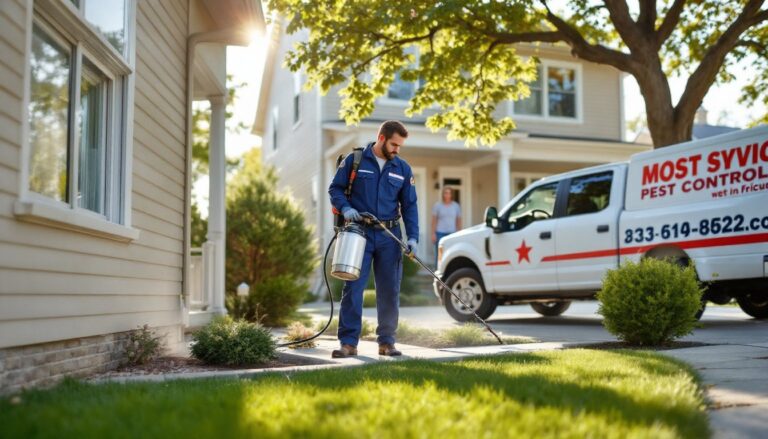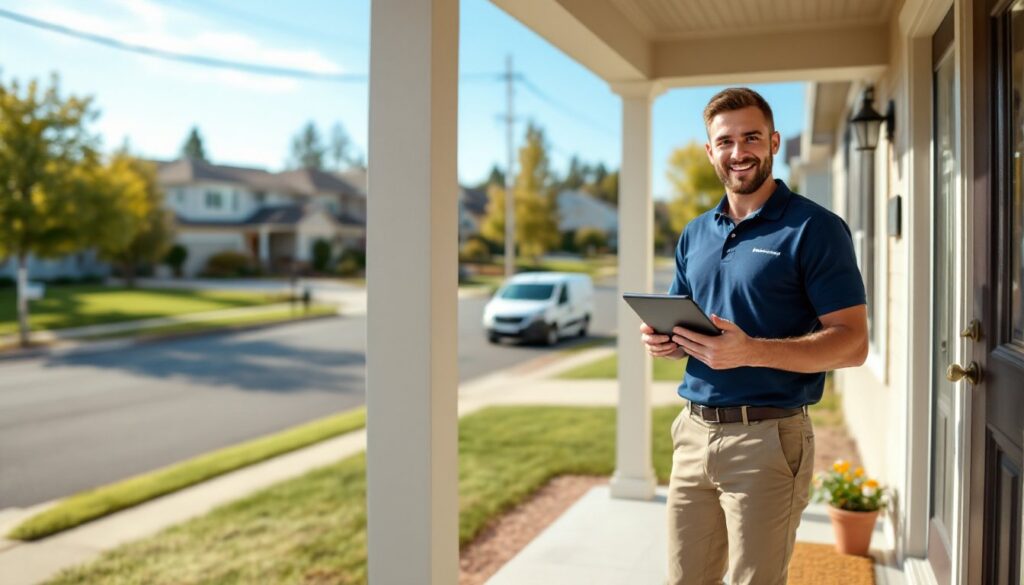
A knock at the door mid-afternoon. A friendly face in a polo shirt with a clipboard. They’ve been treating yards in the neighborhood, they say, and noticed your property. Before you know it, you’re listening to a pitch about termites you didn’t know you had and a special discount that expires today. Door to door pest control sales are common across the U.S., especially during spring and summer when crews blanket subdivisions. Some reps work for legitimate companies. Others use aggressive tactics that leave homeowners locked into contracts they don’t need. Knowing how these sales work, and what questions to ask, protects both your wallet and your home.
Table of Contents
ToggleKey Takeaways
- Door to door pest control sales representatives are typically commission-based salespeople, not licensed technicians, and they use urgency and limited-time offers to pressure homeowners into annual contracts without proper comparison shopping.
- Verify the company’s pest control licensing and technician certifications through your state’s pesticide regulatory office before signing any contract, and request everything in writing including total costs, coverage details, and cancellation terms.
- The Federal Trade Commission’s Cooling-Off Rule allows you to cancel door-to-door pest control contracts within three business days if you change your mind, provided you received a cancellation form and contract copy at the time of sale.
- Booking directly with local pest control providers or using online services typically offers better pricing, transparent terms, month-to-month flexibility, and the ability to verify company credentials before any commitment compared to door-to-door offers.
- Watch for red flags like vague credentials, refusal to provide written estimates, scare tactics about undiagnosed pest problems, and pressuring behavior that indicates the rep prioritizes their commission over your actual service needs.
How Door to Door Pest Control Sales Work
Pest control companies deploy sales teams to residential neighborhoods, often targeting areas with visible pest activity or new construction. The reps earn commissions on signed contracts, so the incentive is volume. They typically carry tablets or clipboards loaded with pricing sheets, photos of pest damage, and a contract ready to sign.
The pitch follows a pattern. The rep introduces the company, mentions they’re servicing nearby homes, and offers a free inspection or discounted initial treatment. If you agree, they’ll walk your perimeter, point out potential entry points, spider webs, ant trails, or anything that suggests a pest problem. The goal is to create urgency, make you feel like action is needed now.
Many door-to-door operations are commission-based, meaning the person at your door may be more focused on closing the deal than matching the service to your actual needs. Some companies provide solid training and legitimate services. Others hire seasonal workers with minimal pest control knowledge who recite scripts.
Contracts are usually annual agreements with quarterly or monthly treatments. You’ll see terms like “guaranteed service,” which often means they’ll return if pests reappear between scheduled visits. But the fine print may lock you in for 12 months with automatic renewal clauses and cancellation fees.
Understand that the person knocking isn’t a licensed pest control operator in most cases, they’re a salesperson. The actual technician who treats your property will come later. That disconnect can lead to miscommunication about what services you’re actually paying for.
Red Flags to Watch for When a Pest Control Rep Knocks
Not every door-to-door rep is running a scam, but certain behaviors should raise your guard. Pushy or evasive answers are warning signs. If the rep avoids giving you written details, dodges questions about licensing, or insists on an immediate decision, walk away.
Unlicensed or vague credentials are a major red flag. Pest control companies must be licensed in most states, and technicians need certifications to apply pesticides. Ask to see the company’s license number and verify it online through your state’s pesticide regulatory office. If they can’t or won’t provide it, don’t sign.
Watch for claims of “emergency” pest problems they supposedly spotted from the street. Statements like “I noticed termite tubes on your foundation” or “Your neighbor had bedbugs, so you probably do too” are scare tactics. Real pest issues require a proper inspection, not a curbside diagnosis.
Door-to-door sales in pest control have drawn complaints, particularly when companies use aggressive or misleading tactics that pressure homeowners into contracts they later regret.
High-Pressure Tactics and Limited-Time Offers
“Sign today and get 50% off your first treatment.” Limited-time offers are designed to prevent you from comparison shopping or thinking it over. Legitimate pest control companies don’t expire their pricing in the next hour.
Some reps will linger on your porch, repeat the offer multiple times, or act offended when you hesitate. Others use social proof by claiming “everyone on your street signed up” or showing you a map with pins for nearby customers. That’s a sales tactic, not a reason to commit.
If the rep won’t leave a business card, brochure, or written estimate you can review later, that’s a problem. You should never feel rushed into a service contract for your home. Any company worth hiring will give you time to research and decide.
Questions to Ask Before You Sign a Contract
Before putting your signature on anything, get answers in writing. Start with the basics: What is the total cost, and what does it include? Ask for a breakdown of the initial treatment, recurring visits, and any additional fees for re-treatments or cancellations.
Is this an annual contract? If so, what are the terms for cancellation or early termination? Some companies charge a hefty fee if you cancel before the contract period ends. Others auto-renew unless you provide written notice 30 or 60 days in advance.
Ask, What specific pests are covered? General pest control typically includes ants, spiders, roaches, and similar insects, but may exclude termites, bedbugs, or rodents. If you have a specific concern, make sure it’s addressed in the contract.
What products or methods will be used? If you have kids, pets, or sensitivities to chemicals, you need to know what’s being applied and where. Ask about the active ingredients and whether they use interior or exterior-only treatments.
Confirm who will perform the service. Will a licensed technician handle the treatments, or will it be subcontracted? What happens if you’re not satisfied with the results?
Finally, ask for references or reviews. A reputable company will have an online presence with customer feedback. Check the Better Business Bureau, Google reviews, or local forums. If the rep can’t provide a website or verifiable company name, that’s a dealbreaker.
Comparing Door to Door Offers vs. Online Pest Control Services
Door-to-door pricing often sounds competitive at first, until you compare it to what you’d pay by calling a local company directly or booking online. The middleman markup is real. Reps need commissions, and that cost gets baked into your contract.
Online pest control services and direct-booked local companies usually offer transparent pricing on their websites. You can see service tiers, read reviews, and compare cost estimates for pest control without pressure. Many let you schedule a free inspection or get a quote via email or phone.
With door-to-door sales, you’re often locked into a one-year agreement with automatic renewal. Online or locally sourced providers may offer more flexible terms, month-to-month plans, single-visit treatments, or seasonal contracts. That flexibility matters if your pest problem is situational (say, an ant invasion in spring) rather than ongoing.
Another advantage of booking directly: you can vet the company before they show up. Check their licensing, read customer complaints, and verify they’re insured. With a door-to-door pitch, you’re making that decision on the spot with limited information.
That said, some national pest control companies do use door-to-door sales as a legitimate lead generation tool. If the rep is professional, provides documentation, and gives you time to think, the offer might be legit. Just don’t let convenience override due diligence.
Homeowners can also use platforms like HomeAdvisor to compare local pest control providers, read verified reviews, and request multiple quotes before committing to a service plan.
Your Rights and How to Cancel If You Change Your Mind
If you sign a pest control contract at your door, federal law may give you a way out. The Federal Trade Commission’s Cooling-Off Rule allows consumers to cancel certain door-to-door sales within three business days of signing, as long as the sale was $25 or more and occurred somewhere other than the seller’s normal place of business (like your home).
The company must provide you with a cancellation form and a copy of the contract at the time of sale. If they don’t, or if the contract lacks cancellation instructions, that’s a violation. You can send a written cancellation notice via certified mail to protect yourself. Keep a copy of everything.
Some states have additional consumer protections. For example, certain jurisdictions require pest control companies to provide a notice of cancellation rights in bold text on the first page of the contract. Check your state attorney general’s website or consumer protection office for local rules.
If you’re past the three-day window, review your contract for the early termination clause. Many agreements allow cancellation if you pay a prorated fee or if the company fails to deliver the agreed-upon service. Document any missed appointments, ineffective treatments, or misrepresentations in writing.
For cost comparisons and planning, resources on pest control pricing can help homeowners understand typical service costs and avoid overpaying for contracted plans.
If the company refuses to honor a valid cancellation or charges you improperly, file a complaint with your state’s consumer protection agency, the Better Business Bureau, or the FTC. You can also dispute charges with your credit card company if services weren’t rendered as promised.
For guidance on home service contracts and cost planning, platforms like ImproveNet provide educational resources to help homeowners navigate service agreements and understand their options.
Conclusion
Door-to-door pest control sales aren’t inherently bad, but they require caution. The best protection is information, know what you’re signing, verify the company’s credentials, and never let pressure override your judgment. If a deal sounds too urgent or too good, it probably is. Take your time, compare options, and make the choice that fits your home and budget, not the rep’s commission goals.