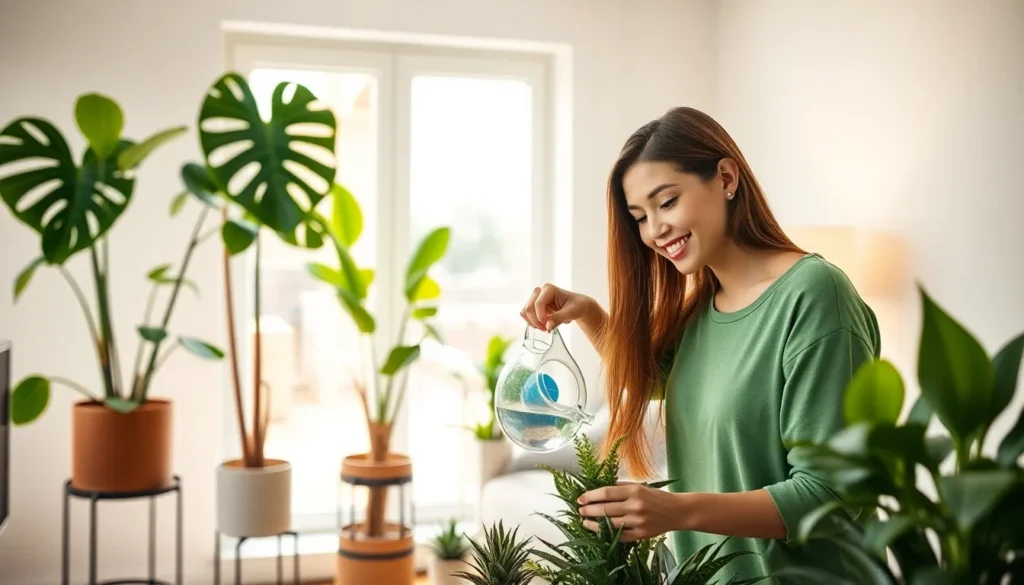
Indoor plants have transformed living spaces into vibrant, refreshing havens. They not only add a touch of nature but also purify the air and boost mood. With the right selection and arrangement, anyone can elevate their home decor while enjoying the numerous benefits these green companions offer.
In recent years, the trend of incorporating indoor plants into home design has gained momentum. From chic succulents on a windowsill to lush ferns cascading from shelves, the options are endless. This article will explore how indoor plant decor can enhance aesthetics, improve well-being, and create a serene atmosphere in any space. Whether you’re a seasoned plant parent or just starting, there’s something here for everyone looking to bring the outdoors in.
Benefits Of Indoor Plant Decor
Indoor plant decor offers significant advantages, enhancing living spaces and promoting well-being. These benefits include improved aesthetics and better air quality.
Enhancing Aesthetic Appeal
Indoor plants add color, texture, and life to home decor. They create focal points, complement furniture styles, and introduce natural elements into various settings. Varieties like succulents, ferns, and snake plants provide distinct visual interest and can match any decor theme. Grouping different sizes and types of plants enhances depth and dimension in rooms. Utilizing decorative pots and stands further elevates their appeal, transforming simple plants into striking decor pieces.
Improving Indoor Air Quality
Indoor plants purify air, consistently filtering toxins and pollutants. Species such as peace lilies, spider plants, and pothos demonstrate high efficiency in removing common indoor air contaminants like formaldehyde and benzene. Studies by NASA confirm that specific plants can significantly improve indoor air quality, contributing to a healthier environment. Additionally, indoor plants increase humidity levels, which can reduce respiratory issues and improve overall comfort. Regular exposure to greenery can also positively impact mental health and reduce stress levels.
Types Of Indoor Plants For Decor

Indoor plants come in various types, each offering unique benefits and aesthetics. Here are some notable categories to consider for enhancing decor.
Popular Choices
- Snake Plant (Sansevieria trifasciata): This hardy plant thrives in low-light conditions and requires minimal water. Its upright, sword-like leaves add a striking vertical element to spaces.
- Peace Lily (Spathiphyllum): Known for its elegant white blooms, the peace lily thrives in shade and humid environments. It effectively removes toxins like formaldehyde and is perfect for brightening darker rooms.
- ZZ Plant (Zamioculcas zamiifolia): The ZZ plant features glossy, dark green leaves and tolerates neglect. It flourishes in low light and enhances modern decor with its sculptural form.
- Pothos (Epipremnum aureum): This trailing vine thrives in various lighting conditions. It’s versatile for hanging baskets or shelf displays, and its heart-shaped leaves offer a lush feel.
- Fiddle Leaf Fig (Ficus lyrata): Known for its large, dramatic leaves, the fiddle leaf fig serves as a fantastic statement piece. It prefers bright, indirect light, making it ideal for well-lit areas.
Low-Maintenance Options
- Succulents: Succulents, including varieties like Echeveria and Haworthia, require little water and indirect sunlight. Their diverse shapes and colors make them popular for stylish arrangements.
- Rubber Plant (Ficus elastica): The rubber plant has thick, glossy leaves that can grow large. It tolerates low light and irregular watering, making it an easy-care option for any room.
- Spider Plant (Chlorophytum comosum): This resilient plant produces arching leaves and baby offshoots. It thrives in various conditions and requires only occasional watering, making it suitable for beginners.
- Cast Iron Plant (Aspidistra elatior): The cast iron plant lives up to its name, tolerating neglect, low light, and temperature fluctuations. Its dark green leaves add a classic touch to interiors.
- Chinese Evergreen (Aglaonema): With stunning variegated leaves, the Chinese evergreen thrives in low light. It’s drought-tolerant and adds vibrant colors to any decor style.
Tips For Incorporating Indoor Plants
Indoor plants enhance decor by adding life and vibrancy. Proper placement and design integration maximize their visual and functional benefits.
Choosing The Right Placement
Placing indoor plants strategically maximizes their impact.
- Natural Light: Position plants near natural light sources, such as windows, for optimal growth. Succulents thrive in bright direct light, while ferns prefer indirect light.
- Room Functionality: Consider room use when selecting placements. Plants in the living room create a welcoming ambiance, while those in the bedroom promote tranquility.
- Height Variation: Use varying heights to create visual interest. Place taller plants, like fiddle leaf figs, on the floor and smaller plants, like succulents, on shelves or tabletops.
- Grouping: Arrange plants in small groups to enhance depth. Combining different sizes and types, such as snake plants and peace lilies, creates a dynamic display.
Design Styles That Complement Plants
Certain design styles enhance the beauty of indoor plants.
- Minimalism: Emphasize clean lines and simplicity. Use monochromatic planters for a cohesive look that highlights the greenery without distraction.
- Bohemian: Celebrate eclectic styles with vibrant planters and varied plant types. Hang plants in macramé holders for added texture and visual appeal.
- Industrial: Incorporate raw materials like metal and wood. Succulents in concrete pots complement the rugged aesthetic of industrial decor.
- Scandinavian: Focus on natural elements and light colors. Pair soft pastel planters with lush greenery to achieve a serene, cohesive look.
Incorporating these tips allows for the seamless integration of indoor plants into any decor style, enhancing the atmosphere and overall appeal of the home.
Maintenance Tips For Indoor Plants
Maintaining indoor plants involves consistent care and awareness of their specific needs. This section provides essential tips on watering, feeding, and pest control strategies for optimal plant health.
Watering and Feeding
Watering requirements vary by plant species. Most indoor plants thrive when their soil is kept consistently moist but not soggy. Many plants prefer to dry out slightly between waterings. Checking the top inch of soil for dryness helps determine when to water. Overwatering can lead to root rot, while underwatering can cause wilting.
Fertilizing plants enhances growth and vigor. Use a balanced, water-soluble fertilizer every four to six weeks during the growing season. Follow the manufacturer’s instructions for dilution and application frequency. Plants like succulents require less fertilizer compared to more tropical varieties.
Pest Control Strategies
Monitoring plants for signs of pests is vital for maintaining their health. Common pests include aphids, spider mites, and mealybugs. Regularly inspect leaves and stems for any abnormalities. If pests appear, remove them by hand or wash the plants with water.
Using insecticidal soap or neem oil offers an effective solution for infestations. Mix according to the directions and apply it directly to the affected areas. Regularly cleaning leaves with a damp cloth removes dust and deters pests. Creating a healthy environment with proper air circulation and appropriate humidity levels reduces the likelihood of pest problems.
Embracing indoor plant decor is more than just a trend; it’s a lifestyle choice that brings numerous benefits. By selecting the right plants and arranging them thoughtfully, anyone can create a stunning and refreshing atmosphere in their home. The visual appeal of greenery enhances any space while also contributing to better air quality and improved mental well-being.
With a variety of options available, from low-maintenance succulents to statement fiddle leaf figs, there’s something for everyone. Proper care and strategic placement can elevate the beauty of indoor plants, making them a perfect addition to any decor style. Ultimately, indoor plants not only beautify spaces but also foster a healthier and more serene living environment.