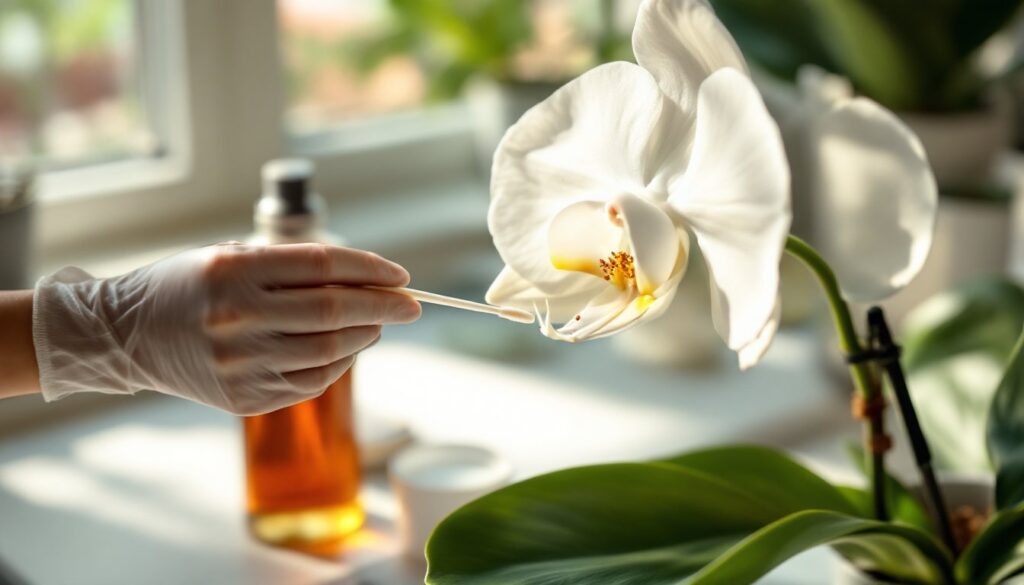
Orchids aren’t just delicate houseplants, they’re investments. But they’re also magnets for pests that can reduce a thriving bloom to a yellowed, sticky mess in weeks. Unlike outdoor gardens where natural predators keep populations in check, indoor orchids are sitting ducks. Scale, mealybugs, spider mites, and aphids don’t care how much you spent at the nursery. They’ll colonize leaf axils, suck sap from pseudobulbs, and spread faster than you can say “Phalaenopsis.” The good news? Catching an infestation early and acting decisively, whether with a cotton swab and rubbing alcohol or a targeted insecticide, can save your plant. This guide walks through identification, treatment, and prevention so you can stop pests before they take over.
Table of Contents
ToggleKey Takeaways
- Early identification of orchid pest control issues—including scale insects, mealybugs, spider mites, and aphids—is critical, as pests can devastate healthy plants within weeks by hiding in leaf axils and feeding on sap.
- Manual removal with isopropyl alcohol, insecticidal soap, neem oil, and horticultural oil are effective organic orchid pest control methods for light to moderate infestations and require repeat applications every 3–7 days to target newly hatched larvae.
- Systemic and contact insecticides should be reserved for severe infestations, applied outdoors with proper safety equipment, and tested on small plant sections first to prevent phytotoxicity in sensitive orchid varieties like Phalaenopsis.
- Prevention through quarantining new plants for 3–4 weeks, sterilizing tools, maintaining 50–70% humidity, and regular inspections is far more cost-effective and manageable than treating established infestations.
- Spider mites thrive in dry conditions and can multiply explosively in warm homes, so increasing humidity through misting or humidity trays is both a preventive and supplemental control measure.
- Proper repotting every 1–2 years with fresh media, avoiding overfertilization, and maintaining good air circulation create an environment where pests are less likely to establish themselves.
Identifying Common Orchid Pests
Spotting pests early is half the battle. Most orchid invaders are tiny, but they leave telltale signs: sticky residue (honeydew), webbing, white cottony clusters, or discolored leaves. Check new growth, the undersides of leaves, and where leaves meet the stem, pests love hiding in tight spaces. Use a magnifying glass if needed: some species are barely visible to the naked eye.
Scale Insects and Mealybugs
Scale insects look like tiny brown or tan bumps glued to stems and leaves. They’re immobile once they latch on, feeding through a straw-like mouthpart that pierces plant tissue. Armored scale has a hard shell: soft scale is slightly rounded and easier to squash. Both secrete honeydew, which attracts sooty mold, a black fungal coating that blocks photosynthesis.
Mealybugs are soft-bodied, oval, and covered in white waxy filaments that resemble cotton or flour. They cluster in leaf axils, under bracts, and along roots. Like scale, they excrete honeydew. A heavy infestation can stunt growth and cause leaf drop. If you see white fuzz in the crown of a Phalaenopsis or along the pseudobulbs of a Cattleya, you’re likely dealing with mealybugs.
Both pests reproduce quickly. Females lay eggs under their protective coating or wax, so even if you kill visible adults, eggs can hatch days later. That’s why repeat treatments are non-negotiable.
Spider Mites and Aphids
Spider mites are arachnids, not insects, and they’re nearly microscopic. Look for fine webbing on leaf undersides or between leaves and stems. Infested foliage appears stippled or bronzed as mites puncture cells and drain chlorophyll. They thrive in low humidity and warm conditions, common in homes with forced-air heating.
Hold a white sheet of paper under a leaf and tap it. If tiny specks start crawling, you’ve got mites. They multiply explosively: a single female can lay hundreds of eggs in her short lifespan.
Aphids are pear-shaped, soft-bodied insects that range from green to black, yellow, or pink. They congregate on new growth, buds, and flower spikes, sucking sap and deforming tissue. Aphids also produce honeydew, leading to sooty mold. They’re slower-moving than mites but reproduce through parthenogenesis, females give live birth to more females, no mating required. An infestation can balloon in under a week.
Natural and Organic Pest Control Methods
For light to moderate infestations, organic methods work well and won’t leave chemical residue on your orchids. Always isolate the affected plant first, pests spread easily to neighboring houseplants.
Manual removal is your first line of defense. For scale and mealybugs, dip a cotton swab in 70% isopropyl alcohol and dab each pest directly. The alcohol dissolves their waxy coating and kills on contact. Repeat every 3–4 days for two weeks to catch newly hatched crawlers. Wear nitrile gloves to avoid skin irritation, and work in a well-ventilated area.
Insecticidal soap (potassium salts of fatty acids) smothers soft-bodied pests like aphids, mealybugs, and spider mites. Spray all plant surfaces until dripping, especially undersides and crevices. Reapply every 5–7 days for at least three cycles. Test a small area first, some orchid varieties show leaf burn with certain soap formulations. Rinse foliage with room-temperature water 2–3 hours after application to reduce phytotoxicity.
Neem oil (azadirachtin-based) disrupts insect growth and feeding. Mix 2 tablespoons of pure neem oil with 1 gallon of water and a few drops of mild dish soap (as an emulsifier). Spray in the evening to avoid leaf burn from sunlight. Neem takes time, it won’t kill adult pests instantly, but it prevents larvae from maturing. Apply weekly for a month. Avoid using neem in bloom: it can shorten flower life.
Horticultural oil (refined petroleum or plant-based) suffocates eggs and adults. It’s effective against scale, which hides under a shell that repels water-based sprays. Use a 1–2% dilution and apply during the plant’s active growth phase. Don’t spray if temperatures exceed 85°F, oil can damage tissue in heat.
For spider mites, increase humidity. Mist plants daily or set pots on trays filled with pebbles and water (don’t let the pot sit in water). A strong spray of room-temperature water can dislodge mites, though it won’t eliminate eggs. Repeat every few days.
Predatory insects like Cryptolaemus montrouzieri (mealybug destroyer) or Phytoseiulus persimilis (a predatory mite) are options for growers with multiple orchids. They’re available from biological supply companies, but they require stable conditions and won’t survive in dry, air-conditioned homes.
Chemical Treatment Options for Stubborn Infestations
When organic methods fail or the infestation is severe, synthetic insecticides deliver faster knockdown. Always follow label directions, “more” doesn’t mean “better,” and orchids are sensitive to overapplication.
Systemic insecticides containing imidacloprid are absorbed through roots or foliage and translocated throughout the plant. Pests ingest the toxin when they feed. Granular formulations are applied to the potting medium: liquid concentrates are diluted and drenched or sprayed. Systemics are effective against scale, aphids, and mealybugs but less so against spider mites (which are arachnids, not insects). Effects last 6–8 weeks. Avoid using systemics on orchids in active bloom, residues can harm pollinators if plants are later moved outdoors.
Contact insecticides with active ingredients like bifenthrin, permethrin, or malathion kill on contact. They’re fast-acting but require direct spray coverage and don’t provide residual protection. Reapply every 7–10 days to target eggs that hatch after the first treatment. Wear safety goggles, nitrile gloves, and a respirator rated for pesticides (N95 won’t cut it for chemical vapors). Spray outdoors or in a garage with cross-ventilation, never in a closed room.
Horticultural oils and insecticidal soaps labeled for orchids may also contain synthetic additives for enhanced efficacy. Read labels carefully: some products marketed as “natural” still carry precautionary statements about skin and eye irritation.
Miticides (acaricides) are required for heavy spider mite infestations. Products with abamectin or spiromesifen target mites at multiple life stages. Rotate active ingredients between applications to prevent resistance. Mites can develop immunity to a single chemical in as few as three generations.
Always test any chemical on a small section of the plant first. Wait 48 hours and check for leaf spotting, yellowing, or tissue collapse before treating the entire orchid. Phalaenopsis and thin-leaved genera like Masdevallia are particularly prone to phytotoxicity.
Dispose of empty pesticide containers according to local hazardous waste regulations. Don’t rinse containers in sinks or storm drains. Many home improvement how-tos emphasize proper disposal, and it applies here too.
Preventing Future Pest Problems
Prevention beats treatment every time. Most orchid pests hitchhike in on new plants, contaminated media, or tools.
Quarantine new arrivals. Keep new orchids separate from your collection for 3–4 weeks. Inspect weekly with a magnifying glass. Even plants from reputable nurseries can harbor eggs or juveniles.
Sterilize tools between plants. Wipe pruning shears, stakes, and clips with rubbing alcohol or a 10% bleach solution (1 part bleach to 9 parts water). Rinse and dry before use. Dirty tools spread pests and pathogens.
Maintain proper air circulation. Stagnant air encourages pests and fungal issues. Use a small oscillating fan on low speed to keep air moving around foliage. Don’t aim directly at plants, gentle, indirect flow is enough.
Monitor humidity. Spider mites thrive in dry conditions: aim for 50–70% relative humidity for most orchids. Use a hygrometer to track levels. A humidifier helps in winter when indoor air is driest. But, persistently wet foliage invites bacterial and fungal problems, so balance is key.
Inspect regularly. Make it a habit to check plants when you water, look under leaves, in leaf axils, and along stems. Catching five mealybugs is manageable: catching five hundred is a nightmare. Early detection is the cheapest, easiest control method.
Repot on schedule. Old potting media breaks down and holds excess moisture, stressing roots and attracting fungus gnats (which can vector disease). Repot every 1–2 years using fresh bark, sphagnum, or your preferred medium. Rinse new media if it’s dusty: debris can harbor pests. According to experts who study common indoor plant pests, cleanliness in potting materials is a top preventive measure.
Avoid overfertilizing. Excess nitrogen promotes lush, soft growth that pests love. Follow a dilute feeding schedule, 1/4 to 1/2 strength balanced fertilizer (like 20-20-20) every other watering during active growth. Flush pots with plain water monthly to prevent salt buildup.
Keep foliage clean. Dust and grime can harbor eggs and reduce your ability to spot pests. Wipe leaves gently with a damp cloth every few weeks. For vandas and other plants with aerial roots, a lukewarm shower works well, just ensure the crown doesn’t stay wet overnight.
Source plants carefully. Buy from growers with good reputations. Avoid clearance racks unless you’re willing to treat the plant as a rescue project. Inspect before purchase, and don’t hesitate to pass on a plant that looks questionable. Resources like Better Homes & Gardens often feature vetted nursery recommendations for seasonal plant shopping.
Conclusion
Orchid pest control isn’t glamorous, but it’s essential. Identifying invaders early, choosing the right treatment, organic or chemical, and committing to follow-up applications will keep your plants healthy and blooming. More importantly, build prevention into your routine: quarantine new additions, sterilize tools, monitor humidity, and inspect often. Pests are opportunistic, but a disciplined grower stays one step ahead.