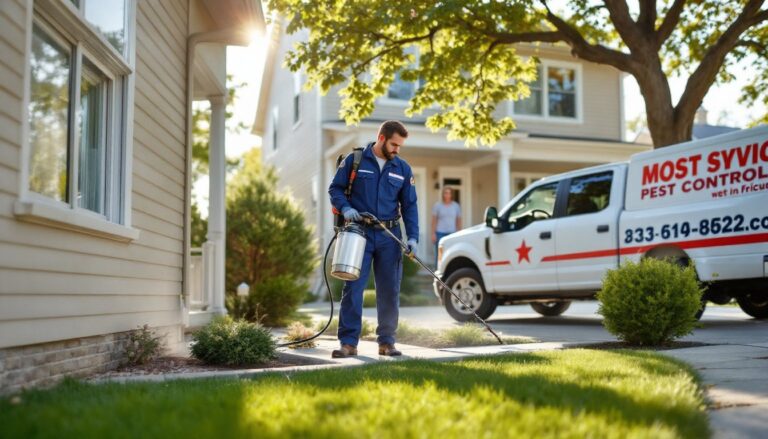
When pests decide your home is their new headquarters, you need more than a can of bug spray and wishful thinking. Truly Nolen has been in the pest control game since 1938, rolling through neighborhoods in those unmistakable yellow vehicles with mouse ears on top. But longevity doesn’t automatically mean the company’s a perfect fit for your specific pest problem or budget. With dozens of local and national pest control companies competing for your business, homeowners face a real challenge: figuring out if Truly Nolen’s approach, pricing, and reputation align with what they actually need. This breakdown cuts through the marketing fluff to help you decide if Truly Nolen is the right call for protecting your home.
Table of Contents
ToggleKey Takeaways
- Truly Nolen pest control has operated since 1938 with a distinctive Four Seasons Protection Plan that adjusts treatment strategies quarterly based on seasonal pest behavior and breeding cycles.
- The company uses an Integrated Pest Management approach that emphasizes inspection, exclusion, and habitat modification before relying on chemical treatments, which is especially effective for preventing recurring infestations.
- Pricing for Truly Nolen pest control typically ranges from $150–$300 for initial service and $75–$150 per quarterly visit, placing them in the mid-to-upper price range compared to national averages of $400–$1,200 annually.
- Service quality and customer experience vary significantly by franchise location, so checking local reviews and the cancellation policy before signing a contract is essential to avoid commitment regret.
- Truly Nolen pest control works best for homeowners with persistent pest problems in high-activity regions, though it may be overkill for one-time issues or those preferring occasional DIY-supplemented professional help.
What Makes Truly Nolen Different from Other Pest Control Companies?
Truly Nolen built its reputation on what they call the Four Season’s Protection Plan, a quarterly treatment approach that adjusts tactics based on seasonal pest behavior. Spring focuses on breeding cycles, summer targets activity peaks, fall addresses intrusion attempts as pests seek shelter, and winter handles dormant-phase pests and prevention. This isn’t revolutionary, many competitors offer quarterly plans, but Truly Nolen’s system predates most of them.
The company’s service vehicles are impossible to miss. Those giant mouse ears aren’t just quirky branding: they’ve been part of the fleet since founder Truly Nolen (yes, that’s his actual name) started using them in the 1960s. It’s effective recognition, especially in neighborhoods where Truly Nolen pest and termite control services are common.
Another differentiator: Integrated Pest Management (IPM) protocols. Truly Nolen emphasizes inspection, exclusion, and habitat modification before defaulting to chemical applications. Technicians seal entry points, identify moisture issues, and recommend structural fixes, stuff that matters if you’re dealing with recurring infestations. That said, most established providers now follow similar IPM guidelines as industry standards have evolved.
Truly Nolen operates as a franchise model, which means service quality can vary by location. The Phoenix headquarters sets protocols, but individual franchise owners handle hiring, training, and customer service. This structure explains why some Truly Nolen pest control reviews rave about responsive local teams while others complain about missed appointments or inconsistent follow-up.
Services Offered by Truly Nolen Pest Control
Truly Nolen covers the full spectrum of common household pests plus specialized treatments that go beyond basic spray-and-pray service calls.
Residential Pest Management Solutions
The core residential program targets ants, cockroaches, spiders, scorpions (critical in desert regions), silverfish, earwigs, and other crawling insects. Service typically includes interior baseboards, door frames, window sills, and exterior perimeter treatment extending 3–6 feet from the foundation.
Rodent control gets its own protocol, involving bait stations, snap traps, and exclusion work to seal entry points. Mice can squeeze through openings as small as ¼ inch, so effective rodent work requires foam, steel wool, and hardware cloth to close gaps around pipes, vents, and foundation cracks. Truly Nolen pest termite control adds termite inspections, treatment, and monitoring, using liquid barrier treatments or Sentricon bait stations depending on soil type, construction, and infestation severity.
Bed bug treatments use heat remediation or targeted insecticide applications. Heat treatment requires raising room temperatures to 120–140°F for several hours, effective but pricey. Chemical treatments need multiple visits and careful prep work (washing bedding, moving furniture, sealing cracks).
Specialty services include mosquito control (barrier sprays around yards, targeting breeding sites), wildlife removal (raccoons, squirrels, bats, though this may be subcontracted to licensed wildlife operators), and fumigation for severe infestations. Fumigation requires vacating the home for 24–72 hours and involves tenting the structure, which is overkill for most situations but necessary for drywood termites in certain climates.
Commercial services cover restaurants, warehouses, and multi-family properties, but residential customers won’t interact with that division. If you’re comparing providers, make sure you’re evaluating similar scopes, basic general pest control programs differ significantly from termite or bed bug work in both complexity and cost.
Truly Nolen Pricing: What Homeowners Can Expect to Pay
Truly Nolen doesn’t publish pricing online, which is frustrating but typical in the pest control industry. Costs vary by region, property size, pest type, and infestation severity. Here’s what homeowners generally encounter based on market data and customer reports.
Initial service fees for standard pest control typically range from $150–$300 for homes up to 2,500 square feet. This includes interior and exterior treatment, inspection, and initial exclusion work. Ongoing quarterly service runs $75–$150 per visit, bundled into annual contracts that average $500–$800 total. That’s competitive with national chains like Terminix but higher than regional independents in some markets.
Termite inspections cost $75–$150 if done standalone, though some franchises waive the fee if you proceed with treatment. Liquid termite barriers for a typical home run $1,200–$2,500, while Sentricon bait systems range from $1,500–$3,500 with annual monitoring fees of $300–$500. Fumigation for drywood termites can hit $2,000–$8,000 depending on home size and local market rates.
Bed bug treatments start around $500–$1,500 for chemical applications (multiple visits required) and $1,500–$4,000+ for whole-home heat treatment. Rodent exclusion work adds $300–$1,000 to standard service if significant sealing is needed.
Many pest control decisions hinge on whether you’re addressing an active problem or setting up preventive service. Pricing from providers like Nolen pest control tends to favor bundled annual contracts over one-off treatments, which makes sense if you live in a high-activity area but may not be cost-effective if you rarely see pests. Ask for itemized quotes and compare not just price but scope, are they sealing entry points or just spraying baseboards?
According to cost benchmarks on platforms like HomeAdvisor, national averages for quarterly pest control run $400–$1,200 annually, placing Truly Nolen in the mid-to-upper range depending on location.
Customer Reviews and Reputation Analysis
Truly Nolen pest control reviews present a mixed picture that reflects the franchise model’s variability. On aggregate review sites, ratings hover around 3.5–4.5 stars out of 5, which is decent but not exceptional.
Positive feedback consistently mentions thorough inspections, knowledgeable technicians, and effective results for ants, scorpions, and general crawling insects. Customers in Arizona, Florida, and California, regions with year-round pest pressure, often report long-term satisfaction with the quarterly program. The company’s willingness to address expert pest services like exclusion work and habitat modification earns praise from homeowners tired of surface-level spray treatments.
Negative reviews center on missed appointments, difficulty reaching customer service, and inconsistent follow-up when initial treatments don’t fully resolve infestations. Some customers report aggressive sales tactics during free inspections or feel pressured into multi-year contracts. Because Truly Nolen pest & termite control operates through franchises, experiences vary dramatically by location, a five-star franchise in Phoenix might operate completely differently from a struggling one in another state.
One pattern worth noting: customers who stay with Truly Nolen for several years tend to report better experiences than those expecting immediate one-visit solutions. Pest control is rarely a one-and-done proposition, especially with ants and roaches that require sustained pressure on breeding cycles.
Better Business Bureau ratings vary by franchise, with some holding A+ ratings and others carrying unresolved complaints. Customer ratings on Angi show similar variability, with local franchise performance making or breaking the experience. Before signing a contract, check reviews specific to your local Truly Nolen franchise rather than relying on national reputation alone.
Pros and Cons of Choosing Truly Nolen for Your Home
Pros:
• Established track record dating back to 1938 with widespread geographic coverage across the U.S. and international locations.
• Integrated Pest Management approach emphasizes exclusion and prevention, not just chemical treatment.
• Quarterly service model aligns with seasonal pest behavior, addressing issues before they escalate.
• Termite services bundled with general pest control provide one-stop convenience if you need both.
• Free inspections (at most locations) let you assess the problem and get a quote without upfront cost.
Cons:
• Franchise inconsistency means service quality, pricing, and customer support vary significantly by location.
• Higher cost compared to local independent operators, though pricing is comparable to other national chains.
• Contract lock-in can be frustrating if you’re dissatisfied with service or move before the term expires.
• Aggressive sales tactics reported by some customers during initial consultations or follow-up calls.
• Limited transparency on pricing and service scope until you schedule an in-person consultation.
For homeowners dealing with persistent pest issues in high-activity regions, Truly Nolen’s structured approach and comprehensive service menu can justify the cost. But if you’re facing a one-time problem or prefer a more hands-on DIY approach supplemented by occasional professional help, the annual contract model may not fit. Understanding how much pest control costs at other providers helps you make an apples-to-apples comparison.
How to Get Started with Truly Nolen Pest Control
Getting service from Truly Nolen starts with a free inspection in most markets. Here’s the straightforward process:
-
Request an inspection through the Truly Nolen website or by calling the local franchise directly. Expect to schedule within 3–7 days depending on demand.
-
Technician inspection involves interior and exterior assessment, identifying pest types, entry points, conducive conditions (moisture, clutter, cracks), and infestation severity. This usually takes 30–60 minutes.
-
Quote and recommendations follow the inspection. The technician will outline treatment options, pricing, and contract terms. Don’t feel pressured to sign immediately, ask for a written quote and compare it with at least two other providers.
-
Initial treatment typically happens on a separate visit, allowing time for prep work if needed (moving furniture, clearing clutter, sealing food). The first service is more intensive than follow-ups, targeting active infestations and establishing a baseline.
-
Follow-up visits occur quarterly (or more frequently if dealing with active infestations). Technicians adjust treatments based on pest activity, season, and any new issues you’ve noticed.
Before signing a contract:
• Clarify what pests are covered and which require additional fees.
• Ask about the cancellation policy and whether you’re locked into a multi-year term.
• Confirm whether re-treatments between scheduled visits are included or cost extra.
• Get details on the guarantee, what happens if pests return within a certain timeframe?
If you’re comparing Truly Nolen with other options, understanding typical pest control costs and service scopes gives you leverage during negotiations. Resources like Today’s Homeowner provide additional context on pest prevention and when to call in professionals versus handling issues yourself.
Homeowners comfortable with exclusion work (sealing gaps, fixing screens, eliminating standing water) can often reduce service frequency or avoid contracts altogether. But if you’re dealing with termites, bed bugs, or persistent roach infestations, professional help isn’t optional, it’s a necessary investment to protect your home’s structural integrity and livability.