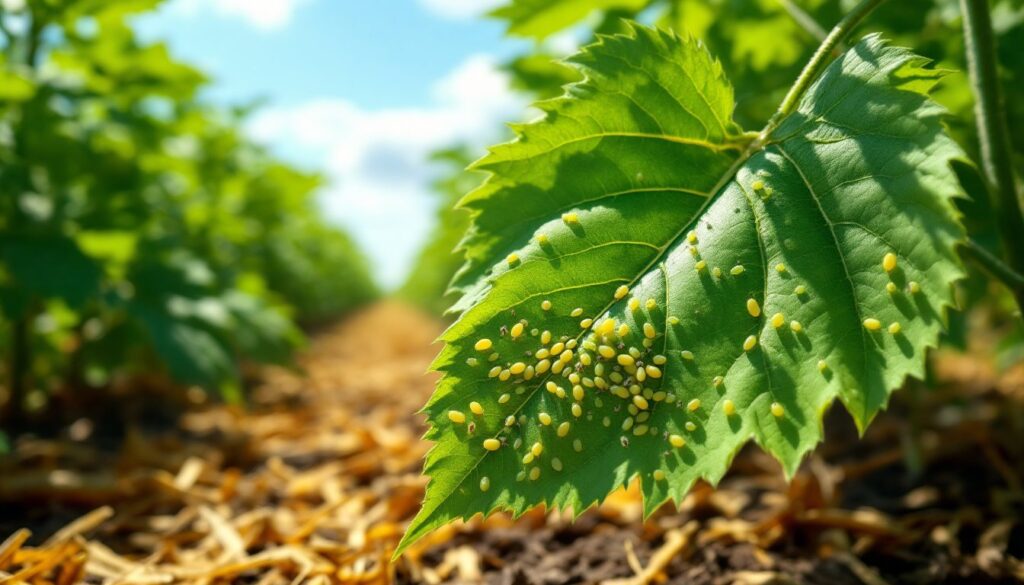
Whiteflies are tiny, but they pack a punch when it comes to garden destruction. These sap-sucking pests multiply fast, weaken plants, and spread disease. If you’ve noticed yellowing leaves, sticky residue, or clouds of tiny white insects around your tomatoes or hibiscus, you’ve got whiteflies. The good news? You can take back your garden. This guide walks through identification, organic and chemical treatment options, and prevention strategies to keep whiteflies from coming back. Whether you’re growing vegetables, ornamentals, or houseplants, understanding how these pests operate is the first step to stopping them.
Table of Contents
ToggleKey Takeaways
- Whitefly pest control starts with early identification by shaking plants and checking leaf undersides for eggs, nymphs, and adults that signal an active infestation.
- Organic methods like insecticidal soap, neem oil, and beneficial insects such as parasitic wasps work effectively for light to moderate whitefly infestations without harming beneficial garden insects.
- Whiteflies reproduce rapidly with generations completing in three to four weeks, making prevention through plant inspection, proper spacing, row covers, and crop rotation essential to avoid severe infestations.
- Chemical systemic insecticides provide long-lasting whitefly control but should be reserved as a last resort for severe infestations and rotated with other active ingredients to prevent resistance.
- Regular monitoring and consistent cultural practices like removing plant debris at season’s end and choosing resistant varieties transform whitefly pest control from overwhelming to manageable.
What Are Whiteflies and Why Are They a Problem?
Whiteflies aren’t actually flies, they’re soft-bodied, winged insects closely related to aphids and mealybugs. Adults are about 1/16 inch long, with pale wings dusted in a white, waxy powder. Even though their delicate appearance, they’re voracious feeders.
They pierce plant tissue and suck out phloem sap, which weakens the plant and stunts growth. The damage goes beyond direct feeding. Whiteflies excrete honeydew, a sticky, sugary substance that coats leaves and attracts sooty mold. This black fungal growth blocks sunlight, reducing photosynthesis and further stressing the plant.
But the biggest problem? Whiteflies are vectors for plant viruses. Species like the silverleaf whitefly (Bemisia tabaci) and greenhouse whitefly (Trialeurodes vaporariorum) can transmit over 100 plant viruses, including tomato yellow leaf curl virus and cucurbit leaf crumple virus. Once a plant is infected, there’s no cure, you’ll need to remove and destroy it to prevent spread.
They reproduce quickly. A single female can lay 200 to 400 eggs in her lifetime, typically on the undersides of leaves. Eggs hatch into nymphs that stay put and feed until they mature. In warm conditions, a generation can complete its lifecycle in three to four weeks, leading to explosive population growth. That’s why early detection and intervention matter.
How to Identify a Whitefly Infestation
Whiteflies are easy to spot once you know what to look for. Walk up to an infested plant and give it a gentle shake, if a small cloud of white insects lifts off and hovers briefly, you’ve confirmed the problem. They’ll settle back down quickly, usually on the undersides of leaves.
Check leaf undersides for oval, pale yellow or white eggs clustered in circular or crescent patterns. Nymphs are flat, scale-like, and translucent or pale green. They don’t move much, they latch onto the leaf and feed in place. You may also see tiny white pupal cases, which look like raised, waxy shells.
Symptoms on the plant include:
- Yellowing or stippled leaves (chlorosis) from nutrient loss
- Leaf curling or distortion, especially on new growth
- Sticky honeydew coating on leaves and surfaces below the plant
- Black sooty mold growing on the honeydew
- Stunted growth and reduced yields in vegetables
Whiteflies love warm conditions and sheltered environments, so greenhouses, indoor plants, and garden beds near south-facing walls are hotspots. Tomatoes, peppers, cucumbers, squash, beans, poinsettias, hibiscus, and citrus are particularly vulnerable. If you’re dealing with multiple pest issues, a general pest control strategy can help you tackle whiteflies alongside other common invaders.
Natural and Organic Whitefly Control Methods
For light to moderate infestations, organic methods work well, and they won’t harm beneficial insects if used correctly. Start with the least invasive approach and escalate as needed.
Homemade Sprays and Soap Solutions
Insecticidal soap is the go-to for soft-bodied insects. It works by breaking down the whitefly’s outer coating, causing dehydration. Use a commercial product labeled for whiteflies, or make your own by mixing 1 tablespoon of pure castile soap (like Dr. Bronner’s) per quart of water. Avoid dish soap, it often contains additives that can damage foliage.
Spray thoroughly, focusing on leaf undersides where nymphs and eggs hide. Apply early in the morning or late afternoon to avoid leaf burn. Reapply every 4 to 7 days for three weeks to catch newly hatched nymphs. Rinse plants with plain water a few hours after application to reduce residue buildup.
Neem oil is another effective option. It’s a botanical insecticide derived from the neem tree, and it works both as a contact killer and a feeding deterrent. Mix 2 tablespoons of cold-pressed neem oil and 1 tablespoon of liquid soap per gallon of water. Shake well and spray weekly. Neem breaks down quickly in sunlight, so it’s safe for most edibles. But, it can harm some beneficial insects on contact, so use it judiciously.
Yellow sticky traps are passive but effective. Whiteflies are attracted to the color yellow, and the traps catch adults before they lay eggs. Hang traps near infested plants at canopy height. They won’t eliminate an infestation on their own, but they reduce population pressure and help you monitor activity.
For a quick knockdown, try a strong spray of water from a hose. It dislodges nymphs and adults, though it won’t kill eggs. Repeat every few days to disrupt the lifecycle.
Beneficial Insects and Biological Controls
If you’re growing organically or managing a greenhouse, beneficial insects can provide long-term control. Encarsia formosa is a tiny parasitic wasp (about the size of a pinhead) that lays eggs inside whitefly nymphs. The wasp larva consumes the nymph from the inside, leaving behind a black scale. One wasp can parasitize dozens of nymphs. They’re widely available from biological supply companies and work best when released early in an infestation.
Delphastus catalinae, a small black ladybug, is another specialist predator. Adults and larvae feed on whitefly eggs and nymphs. They’re more aggressive than Encarsia and can handle higher pest densities.
Green lacewings and minute pirate bugs are generalist predators that also feed on whiteflies, along with aphids and thrips. They’re a good choice if you’re dealing with multiple pest species.
Beneficial insects require careful management. Avoid using broad-spectrum insecticides, even organic ones like pyrethrin, which can kill your helpers. Provide habitat, flowering plants like alyssum, dill, and yarrow attract and sustain beneficial insects. Garden enthusiasts seeking inspiration for pollinator-friendly plantings can explore design ideas at Gardenista.
Chemical Treatment Options for Severe Infestations
When natural methods aren’t cutting it, or when you’re facing a severe infestation that threatens an entire crop, chemical insecticides may be necessary. Use them as a last resort, and always follow label instructions to the letter.
Systemic insecticides containing imidacloprid or dinotefuran are absorbed by the plant and kill whiteflies when they feed. They’re available as soil drenches or granules. Apply at the base of the plant: the chemical is taken up through the roots and distributed throughout the foliage. Systemics provide long-lasting control, up to 8 to 12 weeks, but they also affect pollinators. Never use them on flowering plants that bees visit, and avoid edibles within the pre-harvest interval listed on the label.
Contact insecticides like pyrethroids (bifenthrin, permethrin) or spinosad kill on contact. Spinosad is derived from soil bacteria and is approved for organic use by some certifying bodies, though it’s toxic to bees until dry. Pyrethroids are synthetic and more toxic to beneficial insects and aquatic life. Both require thorough coverage, especially on leaf undersides.
Rotate active ingredients to prevent resistance. Whiteflies reproduce fast and can develop immunity to a single chemical class within a season. If you’ve used a neonicotinoid (like imidacloprid) in spring, switch to a pyrethroid or insecticidal soap in summer.
Horticultural oils, either mineral or petroleum-based, smother eggs and nymphs by coating them in a thin film. They’re less toxic than synthetic insecticides but can cause phytotoxicity (leaf burn) if applied in high heat or on sensitive species like ferns and certain Japanese maples. Test on a small area first, and avoid spraying when temperatures exceed 85°F.
Safety gear matters. Wear nitrile gloves, safety goggles, and a respirator rated for pesticides (N95 masks aren’t enough). Mix and apply outdoors or in a well-ventilated space. Keep kids and pets off treated areas until surfaces are dry.
For comprehensive advice on managing whiteflies alongside other pests, Sunset’s whitefly control guide offers region-specific recommendations and integrated strategies.
Prevention Strategies to Keep Whiteflies Away
Prevention beats treatment every time. Once whiteflies establish a foothold, they’re hard to dislodge. Build these practices into your routine to keep populations low or nonexistent.
Inspect new plants before bringing them home. Whiteflies hitchhike on nursery stock, especially greenhouse-grown annuals and houseplants. Check leaf undersides for eggs, nymphs, or adults. Quarantine new arrivals for 7 to 10 days and monitor them before introducing them to your garden or indoor collection.
Space plants properly. Dense plantings with poor air circulation create humid microclimates whiteflies love. Follow recommended spacing guidelines, usually 18 to 24 inches for vegetables like tomatoes and peppers. Prune lower leaves to improve airflow and reduce hiding spots.
Use row covers or insect netting on vulnerable crops. Lightweight fabric covers (like Agribon or Reemay) exclude whiteflies while allowing light, air, and water through. Secure edges with soil, stakes, or landscape pins. Remove covers when plants flower if they require pollination, or hand-pollinate through the fabric.
Mulch and weed to reduce reflective surfaces. Whiteflies are attracted to light-colored soil and reflective mulches (like aluminum foil, sometimes used for aphid control). Organic mulches, like shredded bark or straw, reduce glare and suppress weeds that can serve as alternate hosts.
Rotate crops annually. Don’t plant the same family of vegetables (Solanaceae, Cucurbitaceae) in the same bed year after year. This breaks pest and disease cycles. If whiteflies infested your tomatoes last season, plant beans or brassicas there this year.
Monitor regularly. Walk your garden or check houseplants weekly. Hang yellow sticky traps as early-warning indicators. Catching a few adults is easier than battling hundreds of nymphs. Those interested in broader pest management approaches can learn about integrated home pest control methods that combine monitoring, exclusion, and targeted treatments.
Choose resistant varieties when possible. Some tomato and bean cultivars have been bred for whitefly resistance or tolerance. Check seed catalogs and plant tags for resistance codes.
Clean up at season’s end. Remove plant debris, spent annuals, and weeds. Whiteflies overwinter as adults or late-stage nymphs on host plants. Composting infested material is fine if your pile reaches 140°F or higher: otherwise, bag it and dispose of it with household trash.
With consistent monitoring, smart cultural practices, and timely intervention, whiteflies become a minor nuisance instead of a garden-wrecking disaster. Stay ahead of them, and your plants will thank you with vigorous growth and better yields.